





Your cart is currently empty!.
You may check out all the available products and buy some in the shop.
Continue Shopping

In Stock
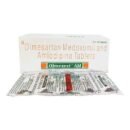
Olmesartan Medoxomil Tablets 40mg | Cardiac / Hypertension
Disclaimer: Products listed on this website are intended for qualified business buyers, research, formulation, compounding, or regulated pharmaceutical use only. Products are not intended for direct consumer use. Import permission, registration, customs clearance, and local regulatory compliance are the responsibility of the buyer in their respective country.


Olmesartan medoxomil is an angiotensin II receptor blocker (ARB) used primarily to treat hypertension (high blood pressure). The 40 mg oral tablet is one of the standard therapeutic doses for adults. As a generic medication it contains the active ingredient olmesartan medoxomil and does not carry any brand-specific marketing name in this document. Olmesartan works by blocking the effects of angiotensin II, a hormone that narrows blood vessels and raises blood pressure. By relaxing blood vessels, olmesartan lowers blood pressure, helping to reduce the risk of heart attack, stroke, and kidney damage associated with long-term high blood pressure.
Primary uses of olmesartan medoxomil 40 mg include:
Treatment of essential hypertension in adults.
Lowering elevated blood pressure to reduce cardiovascular risk (heart attack, stroke).
Adjunctive role in protecting renal function in patients with hypertension, particularly when combined with other appropriate therapies (monitoring required).
Key benefits patients may experience when treated with olmesartan 40 mg:
Effective and sustained blood pressure reduction across the dosing interval.
Once-daily dosing improves adherence for many patients.
Lower risk of angiotensin II–mediated adverse effects compared with untreated hypertension, including reduced risk of stroke and myocardial infarction over time.
Favorable tolerability profile relative to some other antihypertensive classes; cough is less common than with ACE inhibitors.
May help preserve kidney function in patients with hypertensive kidney disease when used as part of a comprehensive treatment plan.
Common side effects (occur in a minority of patients):
Dizziness or lightheadedness, especially on standing (orthostatic hypotension).
Headache.
Fatigue.
Gastrointestinal symptoms such as nausea, abdominal pain, or diarrhea.
Less common but important adverse effects:
Hyperkalemia (elevated blood potassium), particularly in patients with renal impairment or those taking potassium-sparing drugs or supplements.
Renal function deterioration in susceptible individuals; serum creatinine and potassium should be monitored after initiation or dose change.
Severe hypotension in volume-depleted patients (for example, with excessive diuretics, vomiting, or diarrhea).
Rare hypersensitivity reactions; angioedema is uncommon with ARBs but has been reported with RAAS blockers.
If any severe symptoms occur—such as swelling of face, lips, tongue or throat (possible angioedema), fainting, chest pain, severe dizziness, or signs of kidney problems—seek medical attention immediately.
Before starting olmesartan, inform your healthcare provider about all medical conditions and medications. Key safety points:
Pregnancy: Olmesartan is contraindicated in pregnancy. Drugs that act on the renin-angiotensin system can cause fetal injury and death. Women of childbearing potential should use effective contraception and contact their prescriber immediately if pregnancy is suspected.
Breastfeeding: Discuss with your healthcare provider; limited data exist. A decision should be made to discontinue breastfeeding or the drug, taking into account the benefit of breastfeeding and the importance of treatment to the mother.
Renal impairment: Dosing and monitoring are important. Olmesartan can reduce renal perfusion in certain patients and may cause worsened kidney function; check serum creatinine and potassium after initiation and periodically thereafter.
Hepatic impairment: Use with caution; severe hepatic impairment may alter drug handling.
Volume depletion: Patients with significant fluid or salt depletion are at increased risk of symptomatic hypotension—correct volume status before initiating when possible.
Elderly patients: Start at appropriate doses and monitor blood pressure and renal function; they may be more sensitive to the effects of blood pressure lowering.
Olmesartan medoxomil is a prodrug that is converted in the body to the active moiety, olmesartan. Olmesartan selectively blocks the angiotensin II type 1 (AT1) receptor. Angiotensin II is a potent vasoconstrictor produced in the renin–angiotensin–aldosterone system (RAAS). By preventing angiotensin II from binding to AT1 receptors, olmesartan causes vasodilation, reduces aldosterone secretion, decreases sodium and water retention, and lowers peripheral vascular resistance. The net effect is a sustained reduction in blood pressure.
General dosing and administration guidance for adults (use only under a prescriber’s direction):
Typical adult dose: 20–40 mg once daily. The 40 mg tablet is commonly used when a higher dose is needed to achieve blood pressure goals. Your prescriber will determine the appropriate dose based on blood pressure response and individual factors.
Take the tablet orally, with or without food, at the same time each day to maintain even drug levels and improve adherence.
If a dose is missed, take it as soon as remembered on the same day. Do not double up doses to make up for a missed dose.
Do not stop taking the medication abruptly without consulting your healthcare provider, as uncontrolled hypertension can increase cardiovascular risk.
Measure blood pressure regularly at home and keep a log to share with your prescriber.
Avoid sudden changes in posture—stand up slowly to reduce the chance of dizziness.
Be cautious with salt substitutes or potassium supplements; they may raise potassium when combined with olmesartan.
Inform all healthcare providers, including dentists, that you take olmesartan, especially before surgery or procedures that may affect blood pressure or fluids.
Maintain a healthy lifestyle—diet, exercise, and weight control complement medication for blood pressure control.
Important drug interactions and considerations:
Other RAAS blockers (ACE inhibitors or other ARBs): Concurrent use increases risk of hypotension, hyperkalemia, and renal impairment; combined therapy is generally not recommended except in certain conditions under specialist supervision.
Potassium-sparing diuretics, potassium supplements, or potassium-containing salt substitutes: Increased risk of hyperkalemia; monitor serum potassium.
Nonsteroidal anti-inflammatory drugs (NSAIDs): May reduce antihypertensive effect and increase risk of renal impairment, especially in dehydrated or elderly patients.
Diuretics (thiazide or loop): Co-administration can enhance blood pressure lowering but may increase risk of symptomatic hypotension when initiating or increasing doses—monitor blood pressure and electrolytes.
Lithium: Concomitant use can increase lithium levels and risk of lithium toxicity; monitor lithium concentrations and signs of toxicity.
Drugs that affect renal function or potassium handling (e.g., trimethoprim, calcineurin inhibitors): Use caution and monitor renal function and electrolytes.
This list is not exhaustive. Always consult your prescriber or pharmacist before starting or stopping other medicines, including over-the-counter drugs, herbal products, and supplements.
Contact your healthcare provider if you experience severe dizziness, fainting, swelling of face or throat, significant decreases in urine output, sudden weight gain, persistent cough, symptoms of high potassium (muscle weakness, irregular heartbeat), or any other concerning symptoms. Also seek advice if you become pregnant or plan to become pregnant.
This document provides general, evidence-based information about olmesartan medoxomil 40 mg for educational purposes. It does not replace individualized medical advice. Dosing recommendations and clinical decisions should be made by a qualified healthcare professional based on the patient’s full medical history, current condition, and local prescribing guidelines.
| Product Name | Olmesartan Medoxomil Tablets |
| Category | All Medicines, Cardiac / Hypertension |
| Form | Raw Powder |
| Grade | As per available specification |
| Documents | COA, MSDS, Invoice, Packing List |
| Packing | As per order quantity |
| MOQ | On request |
| Shipment | Air cargo / courier / buyer-approved route |
| Use | B2B, formulation, compounding, research & qualified buyer supply |
| Disclaimer | Subject to buyer country regulations |
| Strength | 40mg |
|---|

Only logged in customers who have purchased this product may leave a review.
Disclaimer: Products listed on this website are intended for qualified business buyers, research, formulation, compounding, or regulated pharmaceutical use only. Products are not intended for direct consumer use. Import permission, registration, customs clearance, and local regulatory compliance are the responsibility of the buyer in their respective country.
