






Your cart is currently empty!.
You may check out all the available products and buy some in the shop.
Continue Shopping

In Stock
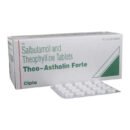
Salbutamol + Theophylline Tablets 4mg + 200mg | Anti-Asthma / Respiratory
Disclaimer: Products listed on this website are intended for qualified business buyers, research, formulation, compounding, or regulated pharmaceutical use only. Products are not intended for direct consumer use. Import permission, registration, customs clearance, and local regulatory compliance are the responsibility of the buyer in their respective country.


Generic names only • No brand names
Salbutamol 4 mg + Theophylline 200 mg tablet is a combination bronchodilator medicine prescribed for selected patients with asthma and other obstructive airway conditions. Salbutamol stimulates beta-2 receptors to relax airway muscles. Theophylline is a methylxanthine bronchodilator that helps relax airway smooth muscle through a different mechanism.
This combination is not intended to replace emergency treatment for a sudden severe asthma attack. Theophylline has a relatively narrow therapeutic range and can cause serious toxicity; take it only under medical supervision.
May be prescribed to help manage asthma symptoms and reversible narrowing of the airways.
May be used in selected cases of chronic obstructive pulmonary disease (COPD) or other obstructive airway conditions when the prescriber considers this combination appropriate.
It is not a rescue treatment for sudden, severe breathing difficulty. Follow your asthma/COPD action plan and seek urgent care if symptoms are severe or worsening.
Salbutamol relaxes airway muscles and can help widen narrowed air passages.
Theophylline provides an additional bronchodilator effect through a different mechanism.
When appropriately prescribed, the combination may help relieve wheezing and breathlessness caused by airway narrowing. Benefits vary between individuals and should be reviewed by a clinician.
Possible side effects include nausea, vomiting, stomach discomfort, headache, restlessness, difficulty sleeping, tremor, muscle cramps, dizziness, a fast heartbeat or palpitations.
Low blood potassium and abnormal heart rhythms may occur, especially in certain circumstances or with interacting medicines.
Possible signs of theophylline toxicity include repeated or persistent vomiting, marked agitation, a very fast or irregular heartbeat, or seizures. Seek urgent medical attention if these occur.
Get urgent help for severe breathing difficulty, chest pain, fainting, seizures, or signs of a serious allergic reaction such as swelling of the face or throat.
Use only on a doctor’s prescription. The correct dose depends on the formulation, age, symptoms, medical history and response to treatment.
Tell your doctor if you have heart disease or an irregular heartbeat, high blood pressure, an overactive thyroid, seizures, stomach ulcer, or liver disease. Mention pregnancy, plans for pregnancy or breastfeeding.
Theophylline blood-level monitoring may be needed. Attend follow-up visits and any blood tests recommended by your clinician.
Limit caffeine-containing drinks and foods such as coffee, tea, cola, energy drinks and chocolate because caffeine may increase stimulant side effects.
Tell your clinician if you smoke, stop smoking, or change smoking habits; this can alter theophylline levels and effect.
Do not use this medicine to treat a sudden severe asthma attack. If breathing becomes severely difficult or is getting worse, seek emergency medical care.
Salbutamol activates beta-2 adrenergic receptors in airway smooth muscle, relaxing the muscles and helping the airways open.
Theophylline is a methylxanthine that helps relax airway smooth muscle through mechanisms including phosphodiesterase inhibition and adenosine-receptor antagonism. Its effects and safety depend on maintaining an appropriate blood concentration.
Take the tablet exactly as prescribed and follow the instructions on the specific product leaflet. Do not take extra doses if symptoms continue.
Do not crush or chew a modified-release/extended-release tablet if your product leaflet says it must be swallowed whole. Formulations can differ, so confirm the type with your pharmacist.
If you miss a dose, follow the leaflet or your prescriber’s advice. Do not double the next dose.
If you suspect an overdose or develop persistent vomiting, a very fast/irregular heartbeat, severe restlessness or seizures, seek urgent medical care.
Take the medicine at the prescribed times and do not change the dose or stop it without consulting your clinician.
Keep track of symptoms and how often you need a rescue inhaler; increasing need or worsening symptoms should be reviewed promptly.
Avoid large amounts of caffeine and tell your clinician about smoking changes.
Keep a current list of all medicines, vitamins and supplements and show it to your doctor or pharmacist.
Store in the original pack according to its label, away from children, heat and moisture.
Some antibiotics, including ciprofloxacin and macrolides such as erythromycin or clarithromycin, can increase theophylline levels and the risk of toxicity.
Other medicines can change theophylline levels, including cimetidine, allopurinol, rifampicin, carbamazepine and phenytoin. A clinician may need to adjust treatment or monitoring.
Non-selective beta-blockers such as propranolol may oppose salbutamol’s effect and may also affect theophylline handling.
Diuretics, corticosteroids and other xanthines such as aminophylline or theophylline-containing products may increase the risk of low potassium or heart rhythm problems.
Other stimulants and large amounts of caffeine may increase tremor, nervousness or palpitations. Tell your doctor about all prescription medicines, over-the-counter products and supplements before starting or stopping anything.
Medical Disclaimer
This document is for general educational purposes only. It does not replace the official patient leaflet, diagnosis or advice from a doctor or pharmacist, and it is not an instruction to start, stop or change treatment. Theophylline can cause serious adverse effects and interactions; use only under professional supervision. Follow the exact leaflet for your prescribed formulation.
| Product Name | Salbutamol + Theophylline Tablets |
| Category | All Medicines, Anti Asthma / Respiratory |
| Form | Raw Powder |
| Grade | As per available specification |
| Documents | COA, MSDS, Invoice, Packing List |
| Packing | As per order quantity |
| MOQ | On request |
| Shipment | Air cargo / courier / buyer-approved route |
| Use | B2B, formulation, compounding, research & qualified buyer supply |
| Disclaimer | Subject to buyer country regulations |
| Strength | 4mg + 200mg |
|---|

Only logged in customers who have purchased this product may leave a review.
Disclaimer: Products listed on this website are intended for qualified business buyers, research, formulation, compounding, or regulated pharmaceutical use only. Products are not intended for direct consumer use. Import permission, registration, customs clearance, and local regulatory compliance are the responsibility of the buyer in their respective country.