Top Peptide Research Compounds of 2025: Semaglutide, Tirzepatide, BPC-157 & Beyond
Peptide research has never moved faster. The clinical success of GLP-1 receptor agonists has turbocharged funding for peptide pharmacology broadly, and Indian research institutions are increasingly active participants. Here is a look at the compounds generating the most research activity in 2025 — what’s being studied, why it matters, and what the procurement picture looks like for Indian labs.
1. Semaglutide — The Research Superstar
Still the most in-demand research peptide globally. Originally studied purely for T2D and obesity, semaglutide is now the subject of active preclinical research in neurodegeneration (Alzheimer’s, Parkinson’s), NASH, PCOS, addiction biology, and even oncology. The sheer breadth of GLP-1 receptor expression throughout the body means research groups across every major disease area are finding reasons to study it.
Key 2025 research directions: neuroinflammation reduction in alpha-synuclein models; GLP-1 receptor-mediated renal protection in CKD models; microbiome modulation; cardiovascular protection independent of weight loss.
Indian research activity: AIIMS, NIMHANS, CCMB, and multiple IIT biotech departments have active semaglutide-related research programmes. DBT has funded several GLP-1 receptor biology projects.
2. Tirzepatide — Dual Agonism Opens New Research Directions
Tirzepatide is a dual GIP (glucose-dependent insulinotropic polypeptide) and GLP-1 receptor agonist. Its superior clinical outcomes versus semaglutide in head-to-head trials have made it an essential comparator in metabolic research. Research groups are specifically studying the additive contribution of GIP receptor activation — what does GIP agonism add to GLP-1 agonism alone?
Key 2025 research directions: GIP receptor biology in adipose tissue; dual agonism in NASH models; CNS effects of GIP receptor activation; beta cell protection mechanisms.
Sourcing note: Tirzepatide’s structural complexity (39 amino acids with a fatty acid modification) makes quality verification particularly important. Mass spec confirmation of the full sequence and fatty acid attachment is non-negotiable.
3. BPC-157 — The Multi-System Regenerative Peptide
BPC-157 remains the most studied peptide in the regenerative space. Its stability in physiological conditions, multi-system effects, and large existing preclinical literature make it a go-to tool compound for researchers studying tissue repair, GI healing, and neuroprotection. The volume of published preclinical data is now large enough that meta-analyses are emerging — a sign of a maturing research field.
Key 2025 research directions: tendon-bone interface healing; gut-brain axis modulation; dopaminergic system protection; combined protocols with TB-500.
4. TB-500 (Thymosin Beta-4) — Wound Healing and Cardiac Repair
Thymosin Beta-4 (synthetic version: TB-500) is a 43-amino acid peptide involved in actin sequestration, cell migration, and angiogenesis. It is one of the most studied peptides in cardiac repair research — significant preclinical data exists showing regenerative effects in myocardial infarction models, including mobilisation of cardiac progenitor cells and reduction of fibrosis.
Indian research context: Cardiac surgery research groups and stem cell biology labs — particularly those affiliated with SCTIMST (Thiruvananthapuram), AIIMS cardiac research, and biotech startups in Bangalore’s life sciences cluster — represent the primary institutional buyers.
5. Epithalon — Telomere Biology and Ageing Research
Epithalon (also spelled Epithalamin) is a synthetic tetrapeptide (Ala-Glu-Asp-Gly) originally developed in Russia and studied extensively by the St Petersburg Institute of Bioregulation and Gerontology. It is the primary peptide used in telomere biology research — specifically the study of telomerase activation and its relationship to cellular ageing.
India’s growing ageing research community — driven by demographic shifts and ICMR’s National Programme for Health Care of the Elderly — has created increasing institutional demand for epithalon as a research tool.
6. Selank and Semax — Neuropeptide Research
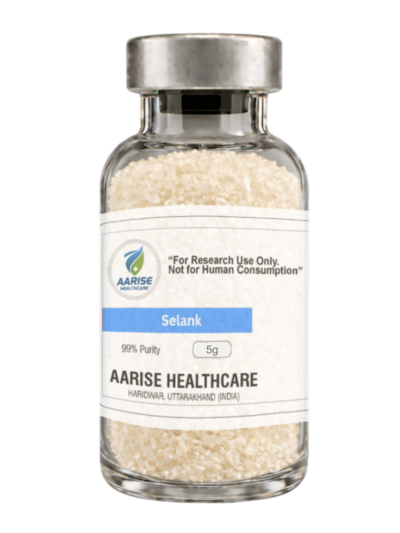
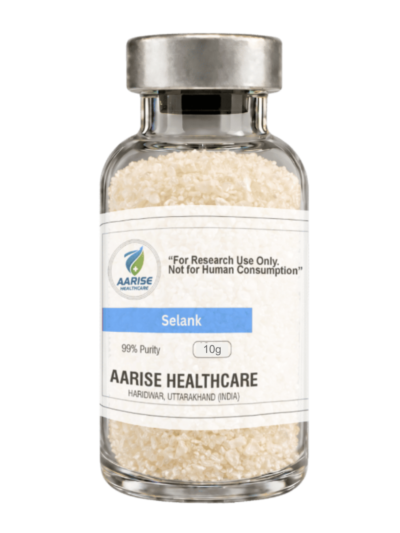
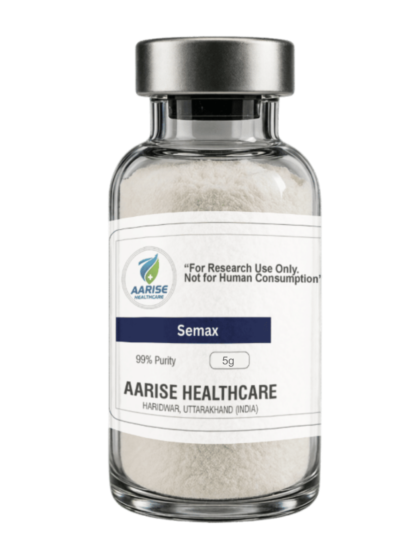
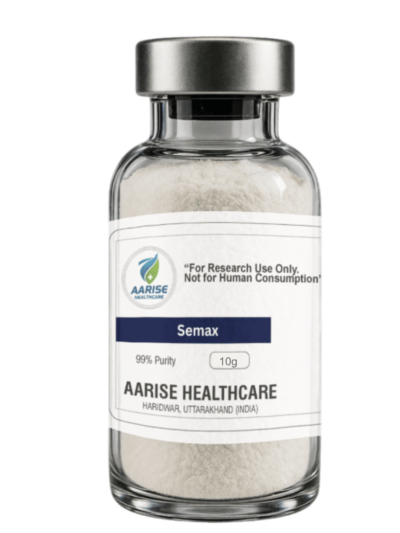
Selank (a synthetic analogue of tuftsin) and Semax (an ACTH-derived heptapeptide) are two Russian-origin neuropeptides with growing research interest globally. Both have documented anxiolytic and nootropic effects in rodent models, and are used as tool compounds in anxiety, stress, and cognitive research paradigms.
Indian psychiatry research groups and neuropharmacology departments studying anxiety disorders and stress biology have begun incorporating these compounds into comparative studies with established anxiolytics.
7. MOTS-c — Mitochondrial Peptide Research
MOTS-c is a 16-amino acid peptide encoded in mitochondrial DNA — one of the few known peptides of mitochondrial origin. It has shown remarkable effects in metabolic disease models: insulin sensitisation, exercise performance in aged rodents, and longevity signals. It represents a new class of mitochondria-derived peptides (MDPs) that is generating significant research interest.
Mitochondrial biology is an active area at Indian institutions including TIFR, InStem, and IISc — making MOTS-c an increasingly relevant research tool domestically.
8. Follistatin 344 — Muscle Biology and Reproductive Research
Follistatin is an activin-binding protein that inhibits myostatin — a negative regulator of muscle growth. Research applications span muscle wasting diseases (DMD, sarcopenia, cachexia), reproductive endocrinology (FSH regulation, PCOS), and bone biology. Indian reproductive medicine research groups and the emerging muscle disease research community are active users.
Emerging Compounds to Watch
- Retatrutide — triple agonist (GLP-1/GIP/glucagon), next generation of incretin research
- LEAP2 — endogenous ghrelin receptor antagonist, appetite and metabolic research
- Humanin — mitochondria-derived, cytoprotective, neuroprotection research
- KPV — anti-inflammatory tripeptide, gut inflammation and IBD models
- SS-31 (Elamipretide) — mitochondria-targeted peptide, cardiac and renal research
Sourcing These Compounds in India
Aarise Healthcare maintains stock of the most commonly researched peptides for institutional supply across India. All material is supplied with full CoA documentation — HPLC, mass spec, endotoxin data. We supply universities, CROs, hospital research divisions, and biotech companies.
For a current availability list and institutional pricing: info@aarisehealthcare.com
Related: BPC-157 Research Guide | Semaglutide Research Guide | Research Grade vs Pharma Grade | Lab Buyer’s Guide