A Guide to Shipping Research Compounds Internationally
Successfully shipping research compounds across international borders requires careful attention to regulations, documentation, and packaging standards. Whether you are ordering from a supplier or distributing to research partners, understanding international research chemical shipping protocols is essential.
International Shipping Regulations for Research Compounds
Customs and Import Requirements
Each country has specific regulations governing the import of research compounds. Common requirements include:
- Import Permits: Some countries require specific permits for importing research chemicals
- End-Use Certificates: Documentation proving the compounds are for legitimate research purposes
- Institutional Authorization: Letters from the receiving research institution
- Customs Declaration: Accurate description of contents, quantities, and values
Controlled Substance Considerations
Some research compounds may fall under controlled substance regulations in certain jurisdictions. Before shipping:
- Verify the compound’s legal status in both the origin and destination countries
- Obtain necessary DEA or equivalent licenses if applicable
- Ensure proper documentation for any scheduled compounds
- Work with a customs broker experienced in pharmaceutical/chemical shipments
Packaging Best Practices
Proper packaging ensures compound integrity during international research chemical shipping:
Temperature-Sensitive Compounds
- Dry ice shipments: For compounds requiring -20°C or below during transit
- Gel pack shipments: For 2–8°C cold-chain requirements
- Insulated containers: Styrofoam-lined boxes with temperature monitoring
- Temperature indicators: Include data loggers to verify cold-chain maintenance
General Packaging Requirements
- Primary container: Sealed, labeled vial or container with secure closure
- Secondary containment: Sealed plastic bag with absorbent material
- Outer packaging: UN-approved shipping box for hazardous materials if applicable
- Labeling: GHS-compliant labels, shipping marks, and handling instructions
Documentation Checklist for International Shipping
- Certificate of Analysis — batch-specific quality documentation
- Material Safety Data Sheet — safety and handling information
- Commercial Invoice — with accurate product descriptions and HS codes
- Packing List — detailed contents of each package
- Import Permit — if required by the destination country
- End-Use Statement — declaring research purpose
- Dangerous Goods Declaration — if shipping hazardous materials by air
Choosing the Right Shipping Method
- Express Air: 2–5 days, best for temperature-sensitive peptides and small quantities
- Standard Air Freight: 5–10 days, cost-effective for larger shipments
- Sea Freight: 20–40 days, economical for bulk non-sensitive compounds
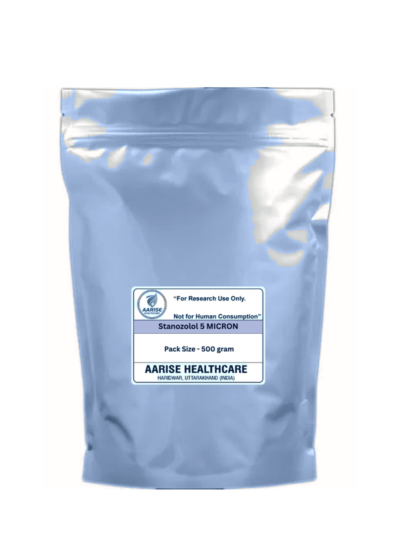
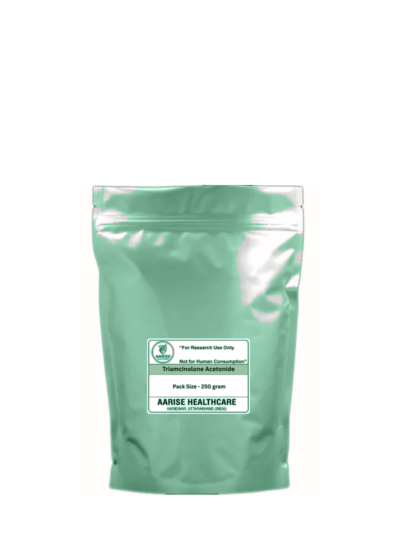
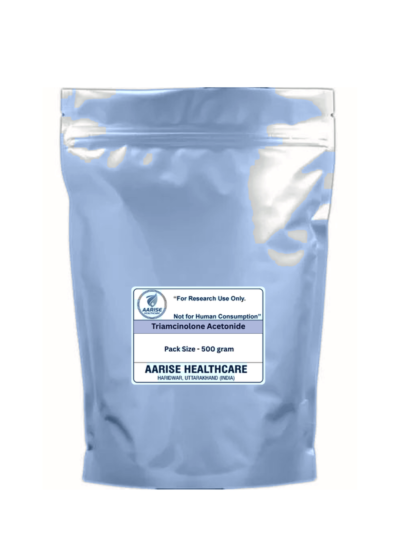
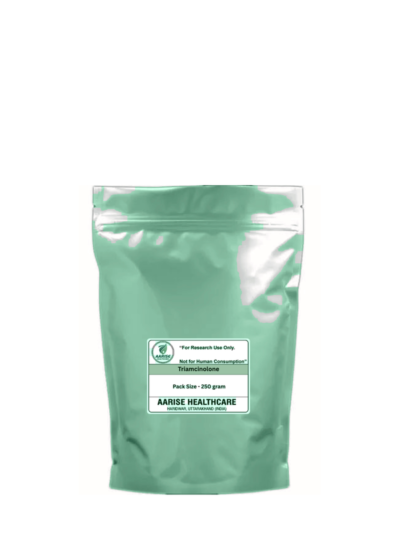
Aarise Healthcare Shipping Support
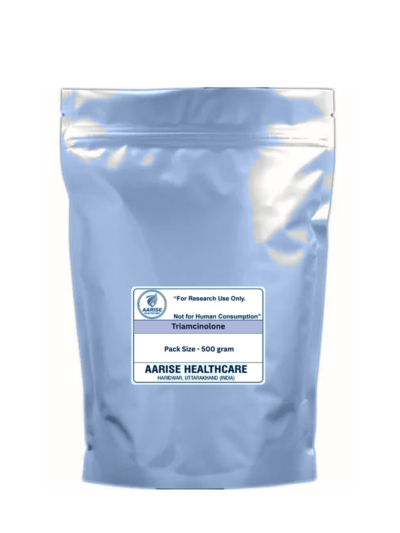
Aarise Healthcare handles all aspects of international research compound shipping, including regulatory documentation, cold-chain logistics, customs clearance support, and tracking. We ship to research institutions worldwide with full compliance.
Need research compounds shipped to your laboratory?
📩 Contact us on WhatsApp for shipping quotes and timelines.
Related Articles
Also from Aarise Group: