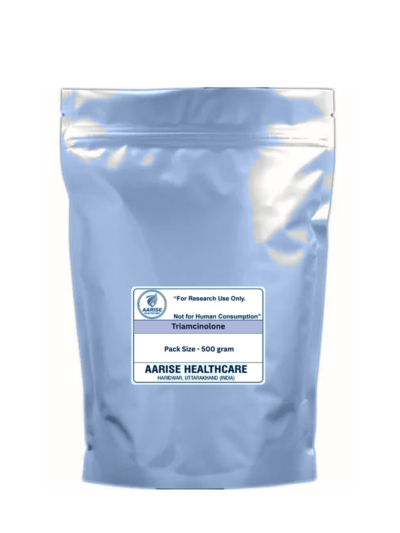
Research-Grade vs Pharmaceutical-Grade Compounds: What Researchers Need to Know
Understanding the distinction between research grade vs pharmaceutical grade compounds is essential for scientists and procurement teams. The grade determines the quality standards, testing requirements, documentation, and appropriate use of each compound.
Defining Compound Grades
Research-Grade Compounds
Research-grade compounds are manufactured and tested for use in laboratory research, in-vitro studies, and preclinical investigations. Key characteristics:
- Purity: Typically 95–99%+ by HPLC
- Testing: Identity (MS, NMR), purity (HPLC), and basic characterization
- Documentation: Certificate of Analysis with batch-specific data
- Regulatory Status: For Research Use Only (RUO) — not for human administration
- Manufacturing: GMP-like conditions but without full pharmaceutical GMP requirements
Pharmaceutical-Grade (USP/EP/BP) Compounds
Pharmaceutical-grade compounds meet official pharmacopeial standards and are suitable for use in drug products intended for human use:
- Purity: Meets USP, EP, or BP monograph specifications (typically ≥98–99.5%)
- Testing: Full compendial testing including all pharmacopeial tests
- Documentation: Comprehensive DMF, stability studies, validated methods
- Regulatory Status: Approved for use in human pharmaceutical products
- Manufacturing: Full cGMP compliance with regulatory inspections
Key Differences Compared
1. Purity Standards
While both grades can achieve high purity, compound purity levels for pharmaceutical-grade must meet exact pharmacopeial specifications. Research-grade purity is defined by the manufacturer’s own specifications.
2. Testing Requirements
Pharmaceutical-grade requires validated analytical methods per regulatory guidelines. Research-grade uses qualified but not necessarily fully validated methods. Pharmaceutical-grade includes additional tests like bacterial endotoxins, heavy metals per ICH Q3D, elemental impurities, and residual solvents per ICH Q3C.
3. Documentation
Pharmaceutical-grade requires Drug Master Files, complete validation packages, stability studies, and regulatory submissions. Research-grade requires a Certificate of Analysis but not the full regulatory documentation package.
4. Manufacturing Standards
Pharmaceutical-grade requires full cGMP facilities with regular regulatory inspections. Research-grade follows good laboratory practices but may not require full GMP certification.
5. Cost
Pharmaceutical-grade compounds are typically 2–10x more expensive than research-grade equivalents due to the additional testing, documentation, and manufacturing requirements.
When to Use Each Grade
- Research-Grade: In-vitro studies, cell culture, preclinical screening, method development, assay validation
- Pharmaceutical-Grade: Clinical trials, drug formulation, human-use products, GMP manufacturing
Aarise Healthcare: Quality at Every Grade
Aarise Healthcare provides both research-grade and select pharmaceutical-grade compounds, each with appropriate documentation and quality assurance.
Need help selecting the right grade for your project?
📩 Contact us on WhatsApp for guidance and product availability.
Related Articles
Also from Aarise Group: