




Your cart is currently empty!.
You may check out all the available products and buy some in the shop.
Continue Shopping
In Stock
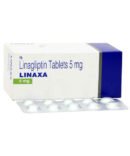
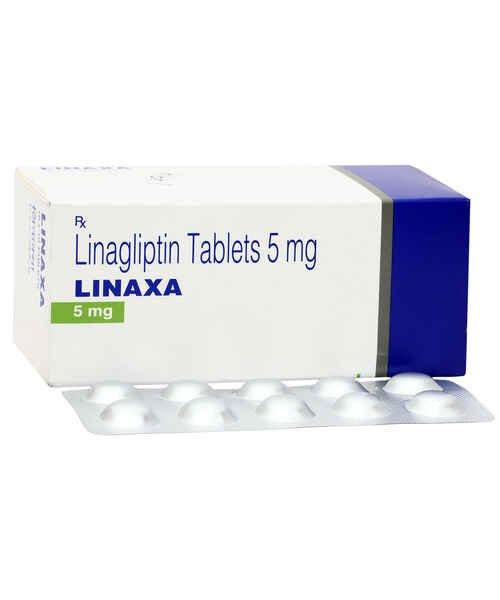
Linagliptin 5mg | Anti-Diabetic | Tablets
Disclaimer: Products listed on this website are intended for qualified business buyers, research, formulation, compounding, or regulated pharmaceutical use only. Products are not intended for direct consumer use. Import permission, registration, customs clearance, and local regulatory compliance are the responsibility of the buyer in their respective country.


Generic name: Linagliptin Tablets 5 mg. Linagliptin is an oral antidiabetic medicine in the dipeptidyl peptidase-4 (DPP-4) inhibitor class. This document provides general educational information and does not replace the approved product leaflet or advice from a qualified healthcare professional.
Linagliptin Tablets 5 mg are used to help improve blood-glucose control in adults with type 2 diabetes. Linagliptin inhibits the DPP-4 enzyme, increasing the activity of incretin hormones that help regulate blood glucose. It is used alongside a suitable diet and physical activity and may be prescribed alone or with other diabetes medicines. Linagliptin is generally taken once daily. Unlike some other DPP-4 inhibitors, it usually does not require dose adjustment for kidney impairment; a healthcare professional should still assess the person’s overall condition and treatment plan.
Used to improve blood-glucose control in adults with type 2 diabetes mellitus alongside diet and exercise.
May be prescribed alone when metformin is not appropriate, or in combination with other antidiabetic medicines according to a clinician’s plan.
It is not used to treat type 1 diabetes or diabetic ketoacidosis. Do not use it for any condition unless prescribed by a qualified clinician.
Helps lower blood glucose, including after meals, by supporting the body’s natural incretin response.
When used as part of a comprehensive diabetes plan, improved glucose control may help reduce the risk of long-term diabetes complications.
When used alone, linagliptin generally has a low risk of causing hypoglycaemia; risk may increase when combined with insulin or a sulfonylurea.
It is generally weight-neutral for many people, although individual results can vary.
Usually taken once daily, and typically does not require dose adjustment for reduced kidney function; the prescriber should confirm suitability.
Benefits vary by person and depend on the overall treatment plan, diet, activity and adherence.
Possible side effects include:
Stuffy or runny nose, sore throat or other symptoms similar to a common cold.
Cough or headache.
Low blood sugar (hypoglycaemia), especially when combined with insulin or a sulfonylurea; symptoms may include sweating, shaking, hunger, dizziness, palpitations or confusion.
Important but uncommon serious reactions may include pancreatitis (persistent severe abdominal pain, sometimes spreading to the back, with or without vomiting), severe allergic reactions, severe joint pain, or bullous pemphigoid (a blistering skin condition). Seek urgent medical assessment if these occur. Facial/throat swelling or difficulty breathing requires emergency help.
If you suspect low blood sugar and are awake and able to swallow safely, follow the hypoglycaemia plan provided by your healthcare team. If someone is unconscious, having a seizure or unable to swallow, do not give food or drink by mouth—seek emergency medical help.
Use only as prescribed. Do not start, stop or change the dose without consulting your prescriber.
Tell your healthcare professional if you have a history of pancreatitis, gallstones, high triglycerides, heart failure, kidney or liver disease, or a serious allergy to linagliptin.
If you develop persistent, severe abdominal pain—with or without vomiting—seek urgent medical advice for possible pancreatitis.
Tell your clinician if you are pregnant, planning pregnancy or breastfeeding; treatment may need to be reviewed.
If linagliptin is taken with insulin or a sulfonylurea, low blood sugar may be more likely; your clinician may adjust the other medicine.
Continue recommended diet, exercise and blood-glucose monitoring. Keep scheduled medical appointments.
Tell your doctor about all medicines, vitamins, supplements and herbal products you use.
Keep out of reach of children and store according to the package instructions.
Linagliptin inhibits the DPP-4 enzyme, which normally breaks down incretin hormones such as GLP-1 and GIP. Higher levels of these hormones help the pancreas release insulin when blood glucose is elevated and reduce the release of glucagon, a hormone that raises blood glucose. This glucose-dependent action means linagliptin alone generally has a low risk of hypoglycaemia.
Take exactly as prescribed and follow the leaflet supplied with your product.
The usual adult dose is one 5 mg tablet once daily, but follow your prescriber’s instructions and the approved product label.
It can generally be taken with or without food. Swallow the tablet with water.
If you miss a dose, take it when you remember unless it is nearly time for the next dose; follow the leaflet or pharmacist’s advice. Do not take two doses together.
If you take more than prescribed, seek medical advice or contact a local poison-information service promptly.
Do not stop treatment because you feel well; discuss any changes with your clinician.
Take the tablet at a consistent time each day; food is not usually required.
Monitor blood glucose and HbA1c as advised by your healthcare team.
Know the symptoms of low blood sugar, especially if you also use insulin or a sulfonylurea.
Seek urgent assessment for severe persistent abdominal pain, serious allergic symptoms or a new blistering rash.
Tell your healthcare professional before starting any new prescription, over-the-counter medicine, supplement or herbal product.
Continue your recommended diet and physical activity plan.
Do not share your medicine with anyone else.
Linagliptin has relatively few clinically significant interactions, but your healthcare professional should review your full medication list.
Insulin and sulfonylureas (such as glimepiride or gliclazide): may increase the risk of hypoglycaemia when used with linagliptin; the clinician may need to adjust doses.
Rifampicin and other strong P-glycoprotein/CYP3A4 inducers may reduce linagliptin exposure and effectiveness; an alternative may be needed.
Other diabetes medicines: combinations may be appropriate but should be directed and monitored by a clinician.
Tell your prescriber about all prescription medicines, over-the-counter products, supplements and herbal products.
Do not start, stop or change any medicine without professional advice.
| Product Name | Linagliptin Tablets |
| Category | All Medicines, Anti Diabetic |
| Form | Raw Powder |
| Grade | As per available specification |
| Documents | COA, MSDS, Invoice, Packing List |
| Packing | As per order quantity |
| MOQ | On request |
| Shipment | Air cargo / courier / buyer-approved route |
| Use | B2B, formulation, compounding, research & qualified buyer supply |
| Disclaimer | Subject to buyer country regulations |
| Strength | 5mg |
|---|---|
| Type | Single API |
| Form | Tablets |

Only logged in customers who have purchased this product may leave a review.
Disclaimer: Products listed on this website are intended for qualified business buyers, research, formulation, compounding, or regulated pharmaceutical use only. Products are not intended for direct consumer use. Import permission, registration, customs clearance, and local regulatory compliance are the responsibility of the buyer in their respective country.