Best Practices for Peptide Storage and Handling in Research Settings
Proper peptide storage and handling is critical for maintaining compound integrity and ensuring reproducible research results. Whether you work with lyophilized peptide powders or reconstituted solutions, following best practices will maximize the shelf life and efficacy of your research peptides.
Understanding Peptide Stability
Research peptides are susceptible to degradation through several mechanisms:
- Hydrolysis: Water exposure breaks peptide bonds, especially in solution
- Oxidation: Amino acids like methionine, cysteine, and tryptophan are oxidation-prone
- Aggregation: Peptides can form aggregates at high concentrations or improper pH
- Photodegradation: UV light can damage certain amino acid residues
- Microbial Contamination: Reconstituted solutions without preservatives are vulnerable
Lyophilized Peptide Storage Guidelines
Lyophilized peptide storage is the most stable form for long-term preservation:
- Temperature: Store at -20°C for long-term storage; 2–8°C for short-term use within 1–3 months
- Moisture Protection: Keep in airtight containers with desiccant; never open cold vials until they reach room temperature to prevent condensation
- Light Protection: Store in amber vials or wrap in foil to prevent photodegradation
- Inert Atmosphere: Flush vials with nitrogen or argon before sealing for oxidation-sensitive peptides
Reconstitution Best Practices
When reconstituting lyophilized peptides for research peptide handling:
- Allow to reach room temperature before opening the vial
- Use sterile solvents — bacteriostatic water, sterile PBS, or DMSO depending on the peptide
- Add solvent slowly along the vial wall; do not directly jet onto the powder
- Swirl gently to dissolve — never vortex vigorously as this can cause aggregation
- Verify dissolution visually; solution should be clear without particles
Recommended Solvents by Peptide Type
- Hydrophilic peptides: Sterile water or PBS
- Hydrophobic peptides: DMSO, then dilute with aqueous buffer
- Acidic peptides: Dilute acetic acid or ammonium bicarbonate buffer
- Basic peptides: Dilute acetic acid to improve solubility
Reconstituted Peptide Storage
- Short-term: 2–8°C for up to 2 weeks
- Medium-term: Aliquot and store at -20°C for up to 3 months
- Long-term: Aliquot and store at -80°C; avoid repeated freeze-thaw cycles
- Single-use aliquots: Prepare single-experiment volumes to avoid freeze-thaw degradation
Common Peptide Handling Mistakes to Avoid
- Opening cold vials before they equilibrate to room temperature
- Using non-sterile solvents or containers
- Repeated freeze-thaw cycles on the same aliquot
- Storing reconstituted peptides at room temperature
- Using expired or degraded solvents for reconstitution
- Vortexing peptide solutions aggressively
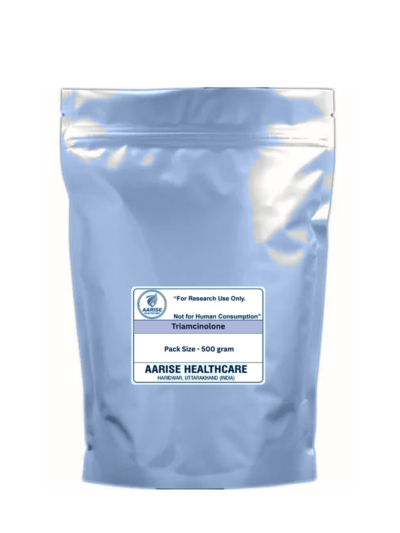
Quality Peptides from Aarise Healthcare
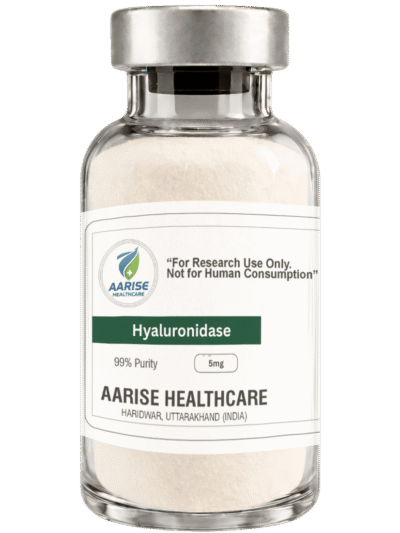
Aarise Healthcare supplies research peptides at 99%+ purity in properly lyophilized form with complete storage and handling documentation. Each peptide comes with a Certificate of Analysis, recommended storage conditions, and reconstitution guidelines.
Looking for high-purity research peptides?
📩 Message us on WhatsApp for our peptide catalog.
Related Articles
Also from Aarise Group: