What Are Corticosteroids?
Corticosteroids are a class of steroid compounds that mimic the effects of hormones naturally produced by the adrenal cortex. They are among the most widely studied compounds in pharmaceutical research due to their potent anti-inflammatory, immunosuppressive, and metabolic regulatory properties. Researchers across pharmacology, immunology, and dermatological sciences rely on high-purity corticosteroid compounds for in vitro and in vivo studies.
Classification of Corticosteroids
Corticosteroids are broadly classified into two categories based on their primary biological activity:
Glucocorticoids
Glucocorticoids primarily influence carbohydrate, fat, and protein metabolism and have significant anti-inflammatory and immunosuppressive properties. Key compounds used in research include:
- Hydrocortisone – The reference glucocorticoid against which others are compared. Available as the base compound, acetate ester, and sodium succinate salt
- Prednisolone – A synthetic glucocorticoid with approximately four times the anti-inflammatory potency of hydrocortisone. Available as base, acetate, and sodium phosphate forms
- Prednisone – A prodrug that is converted to prednisolone in the body. Studied extensively in metabolic conversion research
- Methylprednisolone – A methylated derivative of prednisolone with enhanced anti-inflammatory activity. Available as base, acetate, and sodium succinate
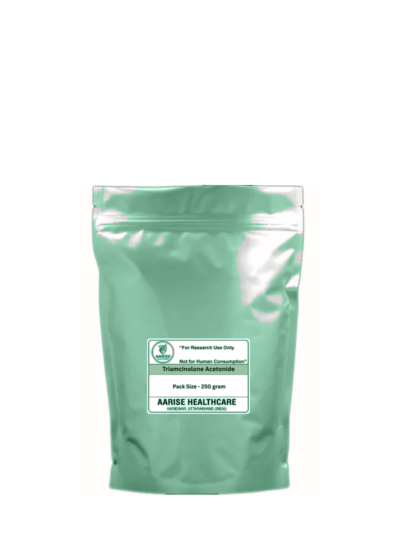
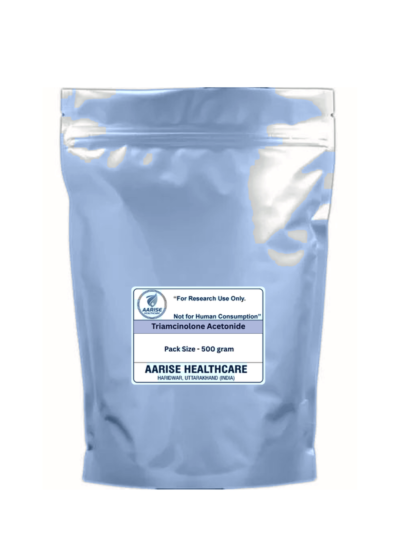
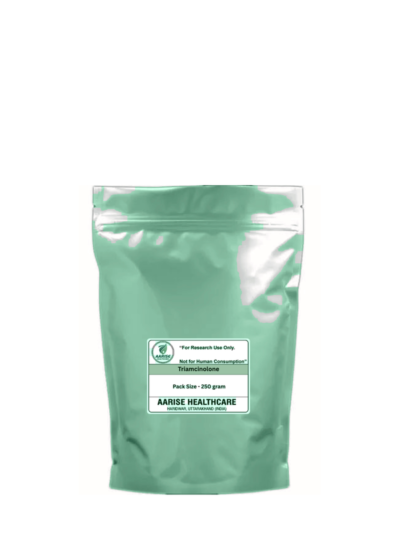
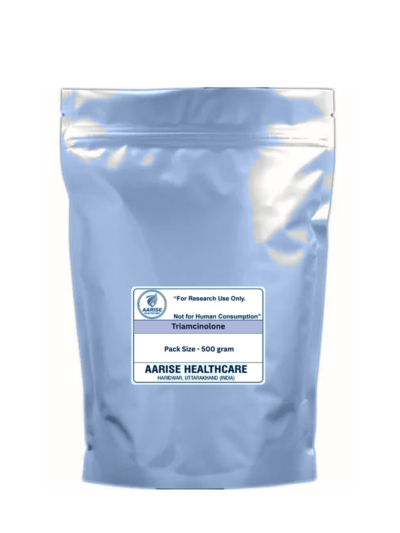
- Triamcinolone – A fluorinated glucocorticoid used in dermatological and ophthalmological research. Also available as triamcinolone acetonide
- Mometasone and Mometasone Furoate – Potent topical glucocorticoids studied for dermal absorption and local anti-inflammatory activity
Mineralocorticoids
Mineralocorticoids primarily regulate electrolyte and water balance. While fewer mineralocorticoid compounds are used in standalone research, their antagonists — such as spironolactone — are extensively studied for their role in blocking aldosterone receptors.
Key Research Applications of Corticosteroids
- Anti-inflammatory mechanism studies – Investigating how corticosteroids suppress inflammatory pathways at the molecular level
- Immunosuppression research – Studying the effects of corticosteroids on immune cell function and cytokine production
- Dermatological research – Evaluating topical corticosteroid formulations for skin penetration and local efficacy
- Ophthalmological studies – Testing corticosteroid compounds for ocular anti-inflammatory applications
- Drug delivery research – Developing novel formulations for targeted corticosteroid delivery
- Pharmacokinetic studies – Comparing absorption, distribution, metabolism, and excretion profiles of different corticosteroid forms
Why Salt and Ester Forms Matter in Corticosteroid Research
Many corticosteroids are available in multiple chemical forms — base, ester, or salt — each with different physicochemical properties that affect their behavior in research:
| Form | Characteristics | Research Use |
|---|---|---|
| Base compound | Unmodified active molecule | Reference standard, mechanism studies |
| Acetate ester | Reduced water solubility, slower release | Depot formulation research, sustained-release studies |
| Sodium phosphate salt | High water solubility, rapid onset | Injectable formulation research, acute studies |
| Sodium succinate salt | Water-soluble, suitable for IV formulations | Emergency therapy research, parenteral formulation studies |
| Furoate ester | Enhanced lipophilicity, topical potency | Dermal absorption studies, topical formulation development |
Purity Requirements for Corticosteroid Research
Corticosteroid research demands high-purity compounds to ensure accurate and reproducible results:
- 99% minimum purity verified by HPLC analysis
- Absence of cross-contamination between structurally similar corticosteroids
- Batch-specific Certificate of Analysis documenting purity, identity, and impurity profile
- Proper storage conditions to maintain compound integrity over time
Corticosteroid Compounds Available at Aarise Healthcare
Aarise Healthcare supplies a comprehensive range of corticosteroid research compounds at 99% purity, including hydrocortisone (base, acetate, sodium succinate), prednisolone (base, acetate, sodium phosphate), prednisone, methylprednisolone (base, acetate, sodium succinate), triamcinolone and triamcinolone acetonide, mometasone and mometasone furoate, loteprednol etabonate, and halometasone.
Frequently Asked Questions (FAQ)
What is the difference between hydrocortisone and prednisolone in research?
Prednisolone is approximately four times more potent as an anti-inflammatory agent compared to hydrocortisone. In research, hydrocortisone often serves as the baseline reference compound, while prednisolone is used in studies requiring higher potency.
Why are multiple salt forms of the same corticosteroid needed?
Different salt and ester forms have different solubility, absorption, and release characteristics. Researchers select the form that best matches their experimental design — water-soluble salts for rapid-onset studies, lipophilic esters for sustained-release research.
Does Aarise Healthcare provide COA for corticosteroid compounds?
Yes, every corticosteroid compound from Aarise Healthcare comes with a batch-specific Certificate of Analysis confirming 99% purity and complete analytical data.
Explore Corticosteroid Research Compounds
Aarise Healthcare offers a full catalog of corticosteroid compounds for pharmaceutical and biomedical research. Contact us to discuss your research needs or request compound specifications.
Related Articles
Also from Aarise Group: