






Your cart is currently empty!.
You may check out all the available products and buy some in the shop.
Continue Shopping
In Stock
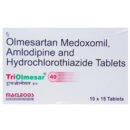
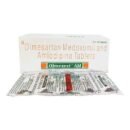
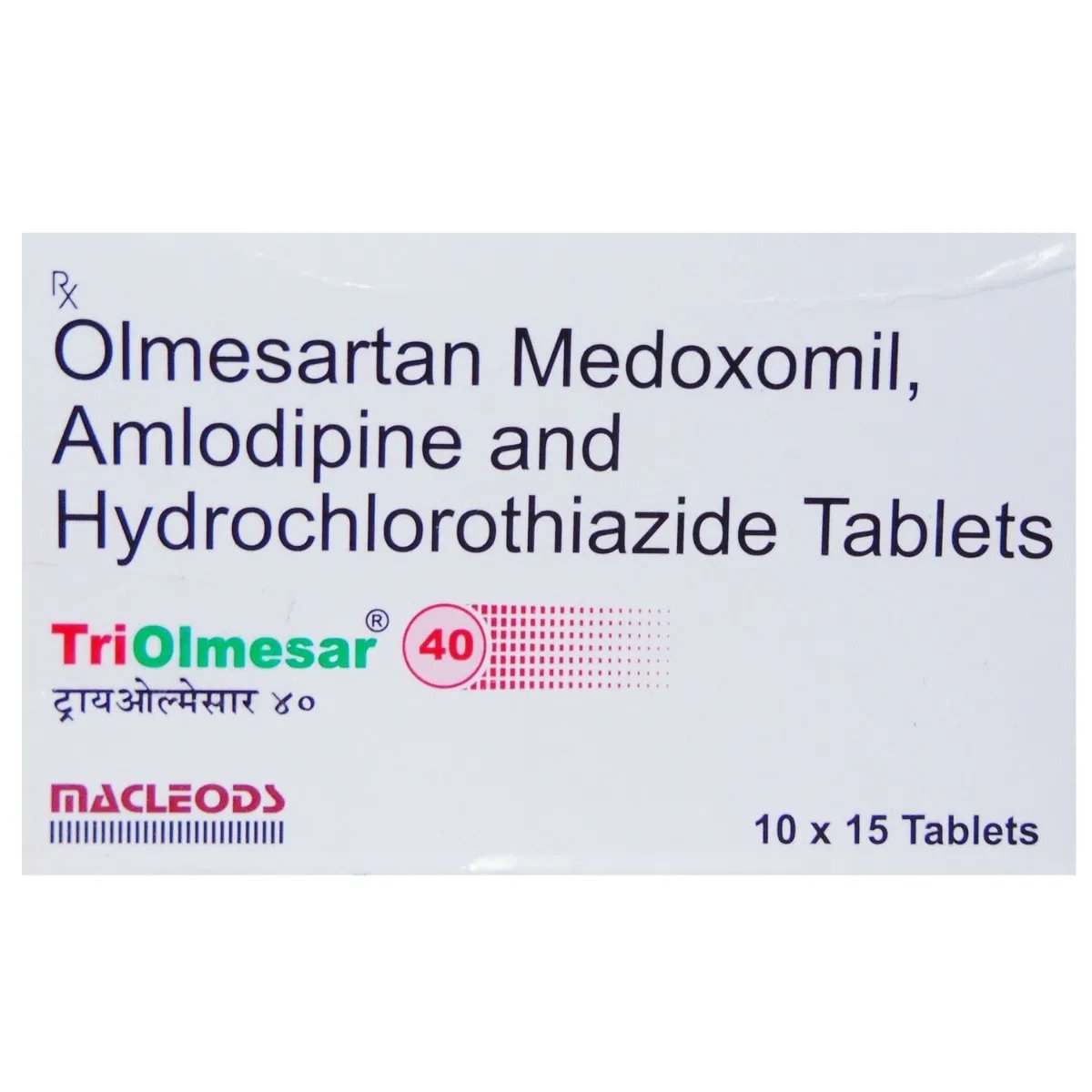
Olmesartan + Amlodipine + HCTZ Tablets 40mg + 5mg + 12.5mg | Cardiac / Hypertension
Disclaimer: Products listed on this website are intended for qualified business buyers, research, formulation, compounding, or regulated pharmaceutical use only. Products are not intended for direct consumer use. Import permission, registration, customs clearance, and local regulatory compliance are the responsibility of the buyer in their respective country.


This document provides concise, clinically relevant information about the generic combination tablet containing olmesartan medoxomil 40 mg, amlodipine 5 mg, and hydrochlorothiazide 12.5 mg. The combination is intended for the management of hypertension when monotherapy or two‑drug therapy has not achieved adequate blood pressure control. The information below covers product introduction, indications (uses), benefits, common and important side effects, safety advice, mechanism of action, dosing and administration guidance, practical tips, and clinically significant drug interactions. This is an informational summary and does not replace personalized medical advice.
The combination tablet brings together three antihypertensive agents with complementary mechanisms: olmesartan (an angiotensin II receptor blocker), amlodipine (a dihydropyridine calcium channel blocker), and hydrochlorothiazide (a thiazide diuretic). Combining drugs from different classes can improve blood pressure control through additive effects while allowing lower individual drug doses, which may reduce certain adverse effects compared with higher‑dose monotherapy. This specific fixed‑dose combination is commonly used for patients with moderate to severe hypertension or for those requiring multidrug therapy to reach target blood pressure.
Primary indication: long‑term management of essential (primary) hypertension.
Used when single‑agent therapy has failed to control blood pressure, or when two agents are insufficient.
May be considered in patients who would benefit from complementary mechanisms: ARB to block renin‑angiotensin system, CCB to reduce vascular resistance, and thiazide to reduce volume.
Improved blood pressure reduction through additive antihypertensive effects of three classes.
May achieve target blood pressure faster compared with monotherapy or stepwise addition of drugs.
Potential for lower doses of each component compared with using higher doses of single agents, which can reduce dose‑related adverse effects.
Simplifies regimen by combining three drugs into one tablet, improving adherence.
Olmesartan provides renoprotective and cardioprotective benefits associated with ARBs in appropriate patients.
Side effects may occur from any of the three components. Many patients tolerate the combination well, but clinicians should monitor for common and serious adverse effects.
Common: dizziness, lightheadedness (especially on standing), peripheral edema (mainly from amlodipine), fatigue, headache.
Volume‑related effects: increased urination, electrolyte changes such as hypokalemia, hyponatremia (from hydrochlorothiazide).
Gastrointestinal: nausea, abdominal discomfort.
Less common/serious: symptomatic hypotension, acute kidney injury (particularly in volume‑depleted patients or those on other renin‑angiotensin system blockers), severe electrolyte disturbances, angioedema (rare; more commonly reported with ARBs vs ACE inhibitors but still possible), gout attacks (thiazides can raise uric acid).
Cardiac: palpitations (rare); caution in heart failure—change in fluid status should be monitored.
Before starting therapy and during treatment, certain precautions and monitoring are recommended to reduce risk and detect complications early.
Baseline tests: measure blood pressure, serum electrolytes (sodium, potassium), renal function (serum creatinine, eGFR), and uric acid if clinically indicated.
Monitor: check renal function and electrolytes within 1–2 weeks of initiation or dose changes, then periodically as clinically indicated.
Volume depletion: correct salt/water depletion before initiating; thiazide diuretics increase risk of symptomatic hypotension in dehydrated patients.
Pregnancy and breastfeeding: ARBs (olmesartan) are contraindicated in pregnancy due to risk of fetal harm; discontinue if pregnancy is detected. Use caution when breastfeeding—seek specialist advice.
Allergy/angioedema history: avoid if prior angioedema with ARBs or ACE inhibitors; counsel patient to seek emergency care for facial/airway swelling.
Elderly: increased sensitivity to hypotensive and electrolyte effects—start at appropriate doses and monitor.
The combination uses three complementary mechanisms to lower blood pressure:
Olmesartan medoxomil (ARB): selectively blocks angiotensin II type 1 (AT1) receptors, preventing vasoconstriction and aldosterone release; reduces peripheral resistance and decreases sodium and water retention indirectly.
Amlodipine (dihydropyridine calcium channel blocker): inhibits L‑type calcium channels in vascular smooth muscle, causing arteriolar vasodilation and reduced systemic vascular resistance. This reduces afterload and lowers blood pressure; peripheral edema can result from arteriolar dilation.
Hydrochlorothiazide (thiazide diuretic): acts on the distal convoluted tubule of the kidney to inhibit sodium reabsorption, increasing sodium and water excretion and reducing plasma volume. Long‑term antihypertensive effect also involves reduced peripheral resistance.
Use this fixed‑dose combination only as directed by a healthcare professional. The following are general practical points; individual dosing decisions depend on clinical assessment.
Usual administration: take by mouth once daily, with or without food, at the same time each day to maintain steady blood levels and adherence.
Starting and maintenance doses: this fixed combination contains specific strengths; clinicians choose fixed‑dose combination when these doses are appropriate. Do not change dose without medical advice.
Missed dose: if a dose is missed, take it as soon as remembered on the same day. Do not double the next dose to make up for the missed dose.
Special populations: dose adjustments may be necessary for severe renal impairment or elderly patients—use under specialist guidance.
Measure blood pressure regularly at home and keep a log to show your clinician.
Stay hydrated but avoid excessive salt intake; follow dietary and lifestyle advice for hypertension (weight control, reduced sodium, regular exercise).
Be cautious when standing up quickly—move slowly to reduce dizziness from low blood pressure.
Report persistent swelling of ankles or unusual shortness of breath, fainting, chest pain, or signs of allergic reaction immediately.
Keep all follow‑up lab tests (electrolytes, renal function) as advised, especially after starting or changing dose.
The combination interacts with several commonly used drugs. Important interactions to consider:
| Drug or Drug Class | Potential Interaction | Clinical Advice |
|---|---|---|
| Other renin‑angiotensin system inhibitors (ACE inhibitors or other ARBs) | Additive effect on blood pressure and increased risk of renal impairment and hyperkalaemia | Avoid combining unless under specialist guidance; monitor renal function and potassium closely if used together. |
| Potassium supplements & potassium‑sparing diuretics (e.g., spironolactone) | Risk of hyperkalaemia from olmesartan | Avoid concomitant use or monitor serum potassium frequently. |
| Non‑steroidal anti‑inflammatory drugs (NSAIDs) | May reduce antihypertensive effect and increase risk of renal impairment | Use NSAIDs cautiously, monitor renal function, maintain adequate hydration. |
| Other antihypertensives (beta blockers, diuretics, vasodilators) | Additive hypotensive effects | Dose adjustments may be needed; monitor blood pressure to avoid symptomatic hypotension. |
| CYP3A4 inhibitors/inducers (relevant mainly to amlodipine) | Strong CYP3A4 inhibitors (e.g., clarithromycin, itraconazole) can increase amlodipine levels; inducers (e.g., rifampicin) may reduce effect | Monitor for increased adverse effects with inhibitors and reduced efficacy with inducers; adjust dose as needed. |
| Lithium | Thiazides can increase lithium levels leading to toxicity | Monitor lithium levels closely or avoid coadministration where possible. |
| Diabetes medicines (e.g., insulin, oral hypoglycaemics) | Thiazides can raise blood glucose or blunt hypoglycaemia symptoms | Monitor blood glucose and adjust antidiabetic therapy as necessary. |
| Drugs that increase uric acid (e.g., certain diuretics or nicotinic acid) | Thiazide component can raise uric acid and precipitate gout | Monitor for gout symptoms and manage accordingly. |
This list is not exhaustive. Always inform prescribers and pharmacists about all medicines being taken, including over‑the‑counter products, vitamins, and herbal supplements.
Severe dizziness, fainting, or signs of very low blood pressure.
Rapid swelling of face, lips, tongue, or throat (possible angioedema) — seek emergency care immediately.
Marked decrease in urine output or signs of acute kidney injury.
Severe muscle weakness, cramps, or irregular heartbeat (possible electrolyte disturbance).
This document provides an overview of the generic olmesartan medoxomil + amlodipine + hydrochlorothiazide combination. Dosage choices and monitoring plans should be individualized by a healthcare professional based on the patient’s overall health, comorbidities, and concomitant medications. If you would like, I can generate a printable Word (.docx) file of this document now and provide it for download.
| Product Name | Olmesartan + Amlodipine + HCTZ Tablets |
| Category | All Medicines, Cardiac / Hypertension |
| Form | Raw Powder |
| Grade | As per available specification |
| Documents | COA, MSDS, Invoice, Packing List |
| Packing | As per order quantity |
| MOQ | On request |
| Shipment | Air cargo / courier / buyer-approved route |
| Use | B2B, formulation, compounding, research & qualified buyer supply |
| Disclaimer | Subject to buyer country regulations |
| Strength | 40mg + 5mg + 12.5mg |
|---|

Only logged in customers who have purchased this product may leave a review.
Disclaimer: Products listed on this website are intended for qualified business buyers, research, formulation, compounding, or regulated pharmaceutical use only. Products are not intended for direct consumer use. Import permission, registration, customs clearance, and local regulatory compliance are the responsibility of the buyer in their respective country.