




Your cart is currently empty!.
You may check out all the available products and buy some in the shop.
Continue Shopping
In Stock
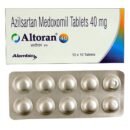
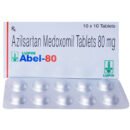
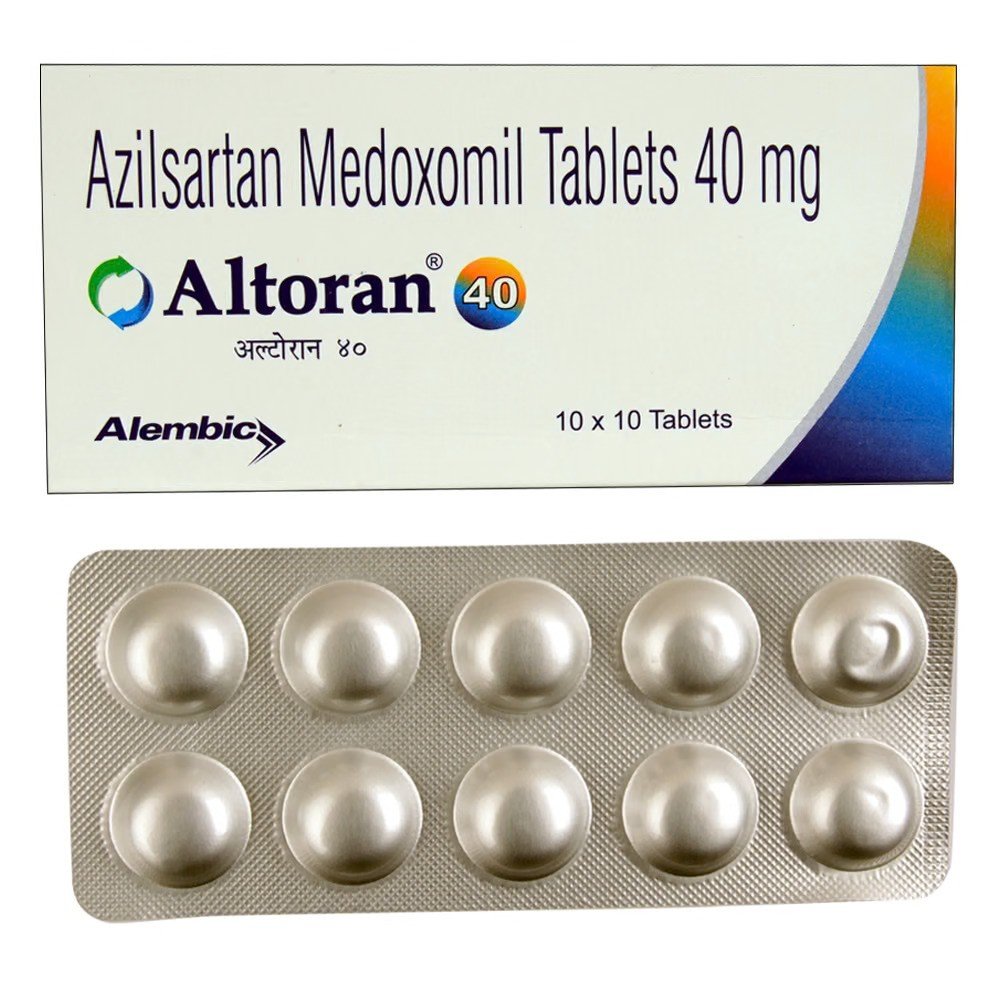
Azilsartan Medoxomil Tablets 40mg | Cardiac / Hypertension
Disclaimer: Products listed on this website are intended for qualified business buyers, research, formulation, compounding, or regulated pharmaceutical use only. Products are not intended for direct consumer use. Import permission, registration, customs clearance, and local regulatory compliance are the responsibility of the buyer in their respective country.


This document summarizes key product information for Azilsartan medoxomil 40 mg tablet intended for healthcare professionals and patients. Information is compiled from the provided 1mg product page and standard drug references. It includes composition, indications, dosage, contraindications, warnings, adverse effects, drug interactions, storage, and patient counseling points. For specific clinical decisions, consult up-to-date local prescribing information and a qualified clinician.
Typical brand example:** Abel 40 Tablet**. Active ingredient: Azilsartan medoxomil 40 mg. Prescription status: Prescription only.
Each tablet contains:** Azilsartan medoxomil 40 mg** as the active ingredient. Excipients and inactive ingredients vary by manufacturer; check the specific product label for the full list.
Therapeutic class: Angiotensin II receptor blocker (ARB). Mechanism: Azilsartan blocks the angiotensin II type 1 (AT1) receptor, preventing vasoconstriction and aldosterone secretion mediated by angiotensin II, resulting in reduced blood pressure.
Management of hypertension (as monotherapy or in combination with other antihypertensives).
May be used as part of combination therapy when blood pressure is not controlled with a single agent.
General dosing (adults): Start with 40 mg once daily in patients not taking diuretics or in those who may need additional blood pressure reduction. The dose may be adjusted per response; typical maintenance range is 20–40 mg once daily, and some formulations allow up to 80 mg depending on product labeling. Follow the specific product monograph for maximum recommended dose.
Administration: Take orally, with or without food, at the same time each day. If a dose is missed, take it as soon as remembered unless it is near the time of the next dose; do not double doses.
Pregnancy: ARBs are contraindicated in pregnancy (especially second and third trimesters) due to risk of fetal toxicity including renal dysfunction, oligohydramnios, skull hypoplasia, and death. Women of childbearing potential should use effective contraception and stop azilsartan if pregnancy is detected.
Breastfeeding: Limited data. Consult product labeling; consider alternative antihypertensives with better-established safety during lactation.
Elderly: Start at lower doses if clinically appropriate and monitor renal function and blood pressure.
Renal impairment: Use with caution. Dose adjustment may be required in patients with severe renal impairment; monitor serum creatinine and potassium. Avoid in patients with bilateral renal artery stenosis or severe renal artery stenosis due to risk of renal function deterioration.
Known hypersensitivity to azilsartan medoxomil or any ingredient of the formulation.
Pregnancy (use of ARBs during pregnancy is contraindicated).
Hypotension: Symptomatic hypotension may occur, particularly in volume- or sodium-depleted patients (e.g., diuretics, diarrhea, vomiting). Correct volume depletion before initiating therapy or start at a lower dose and monitor blood pressure.
Renal function: Monitor renal function periodically. Use with caution in patients with renal artery stenosis or other causes of renal hypoperfusion.
Hyperkalemia: Serum potassium may increase. Monitor potassium levels in patients at risk (e.g., those with renal impairment, diabetes, or taking potassium-sparing diuretics or potassium supplements).
Angioedema: Rare cases reported with ARBs. Discontinue immediately if angioedema occurs and provide appropriate treatment. Patients with a history of angioedema related to ACE inhibitors may have increased risk.
Caution in hepatic impairment: Use with caution in patients with significant hepatic impairment; follow product labeling for dose guidance.
Common adverse reactions (may include): dizziness, fatigue, hypotension, and gastrointestinal symptoms. Most events are mild to moderate. Serious but uncommon effects include angioedema and clinically significant renal impairment.
Other RAAS inhibitors (ACE inhibitors, ARBs, aliskiren): Avoid combination with aliskiren in patients with diabetes or renal impairment; combining with ACE inhibitors increases risk of hypotension, hyperkalemia, and renal dysfunction.
Potassium-sparing diuretics, potassium supplements, or potassium-containing salt substitutes: Increased risk of hyperkalemia; monitor serum potassium.
Diuretics: Concomitant diuretic therapy may increase the risk of symptomatic hypotension; consider temporary suspension of diuretics or start azilsartan at a lower dose.
NSAIDs and COX-2 inhibitors: May reduce antihypertensive effect and increase the risk of renal impairment when used concurrently, especially in volume-depleted patients.
Symptoms: Marked hypotension and tachycardia; bradycardia may occur. Management: Supportive treatment, restore blood pressure and renal perfusion, monitor electrolytes and renal function. Activated charcoal may be considered if ingestion is recent. No specific antidote.
Take the tablet at the same time each day; it can be taken with or without food.
Do not stop therapy abruptly without consulting your physician; uncontrolled hypertension increases cardiovascular risk.
Report symptoms of dizziness, fainting, swelling of face or throat (angioedema), decreased urine output, or signs of hyperkalemia (muscle weakness, irregular heartbeat).
Women of childbearing potential: Use effective contraception and inform your prescriber if pregnancy is planned or suspected; the drug should be discontinued as soon as pregnancy is detected.
Inform healthcare providers about all medicines you take, including OTC NSAIDs, potassium supplements, and other blood pressure medicines.
Blood pressure and heart rate periodically to assess efficacy and detect hypotension.
Serum electrolytes (especially potassium) and renal function (serum creatinine, eGFR) before initiation and periodically thereafter.
Typical retail pack: blister pack of 10 tablets. Price varies by manufacturer, pharmacy, and location. Check local sources or the provided product page for current pricing and offers.
| Product Name | Azilsartan Medoxomil Tablets |
| Category | All Medicines, Cardiac / Hypertension |
| Form | Raw Powder |
| Grade | As per available specification |
| Documents | COA, MSDS, Invoice, Packing List |
| Packing | As per order quantity |
| MOQ | On request |
| Shipment | Air cargo / courier / buyer-approved route |
| Use | B2B, formulation, compounding, research & qualified buyer supply |
| Disclaimer | Subject to buyer country regulations |
| Strength | 40mg |
|---|

Only logged in customers who have purchased this product may leave a review.
Disclaimer: Products listed on this website are intended for qualified business buyers, research, formulation, compounding, or regulated pharmaceutical use only. Products are not intended for direct consumer use. Import permission, registration, customs clearance, and local regulatory compliance are the responsibility of the buyer in their respective country.