





Your cart is currently empty!.
You may check out all the available products and buy some in the shop.
Continue Shopping
In Stock
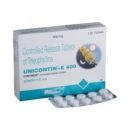
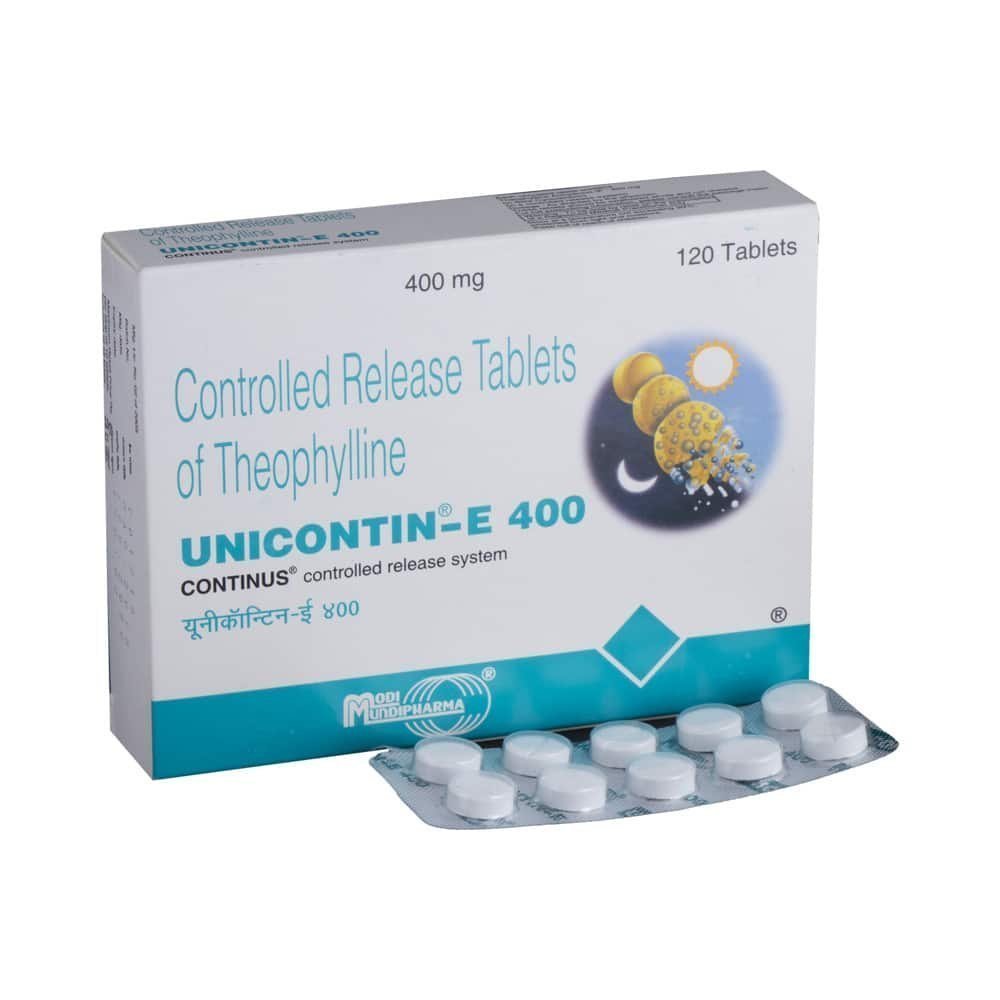
Theophylline Extended-Release Tablets 400mg | Anti-Asthma / Respiratory
Disclaimer: Products listed on this website are intended for qualified business buyers, research, formulation, compounding, or regulated pharmaceutical use only. Products are not intended for direct consumer use. Import permission, registration, customs clearance, and local regulatory compliance are the responsibility of the buyer in their respective country.


Educational information • Generic name only
Theophylline is a bronchodilator that may be prescribed to help control symptoms of asthma or chronic obstructive pulmonary disease (COPD). It relaxes muscles around the airways and helps widen the breathing passages.
The 400 mg product linked here is a controlled-release (CR) tablet. This document is general educational information; follow your own prescription and the leaflet supplied with your exact product.
Long-term control of symptoms associated with asthma, when prescribed.
Management of breathing symptoms associated with COPD, when prescribed.
Helps relax airway muscles and improve airflow, which may ease wheezing and breathlessness over time.
May be used as part of a clinician-directed treatment plan. Theophylline does not cure asthma or COPD.
Possible side effects include nausea, vomiting, stomach upset, headache, restlessness, tremor, difficulty sleeping and a fast heartbeat.
Serious toxicity can occur if the level of theophylline in the blood becomes too high. Warning signs include repeated vomiting, severe agitation or tremor, a rapid or irregular heartbeat, fainting or seizures.
Seek urgent medical help for seizures, fainting, severe chest pain, a very fast or irregular heartbeat, or suspected overdose.
Theophylline has a narrow safety margin. Take exactly the prescribed dose and never take extra doses.
Swallow the controlled-release tablet whole. Do not crush or chew it, because this may release the medicine too quickly and cause toxicity. Follow the exact leaflet if it gives specific instructions.
This medicine does not provide immediate relief for a sudden asthma attack or severe breathing problem. Keep and use your prescribed rescue inhaler as directed.
Tell your clinician if you have heart disease or rhythm problems, seizures, thyroid disease, liver disease, or if you are pregnant or breastfeeding.
Smoking changes how theophylline is processed. Tell your clinician if you smoke, stop smoking, or substantially change your smoking habits.
Limit caffeine (tea, coffee, cocoa, energy drinks and chocolate) and avoid or discuss alcohol with your clinician, as they may worsen side effects.
Theophylline belongs to the methylxanthine group. It relaxes smooth muscles in the airways, helping widen the breathing passages and improve airflow.
Take the tablet exactly as prescribed, at the dose and times selected by your healthcare professional.
Follow the product leaflet about whether to take it with food. Swallow the controlled-release tablet whole; do not crush or chew it.
If you miss a dose, follow the leaflet or ask your pharmacist or doctor what to do. Do not double the next dose.
Your clinician may order blood tests to check theophylline levels and other measurements, especially if symptoms suggest toxicity or medicines/smoking habits change.
Take it at the same time each day if instructed and do not stop or change the dose without medical advice.
Do not rely on theophylline for immediate relief of sudden breathing difficulty.
Report persistent nausea, vomiting, tremor, insomnia or palpitations promptly.
Tell your clinician about new medicines, antibiotics, changes in smoking, and high caffeine intake.
Tell your doctor or pharmacist about all prescription medicines, over-the-counter products and supplements.
Some medicines, including ciprofloxacin, erythromycin, clarithromycin, cimetidine, rifampicin, carbamazepine and phenytoin, can alter theophylline levels. A clinician may need to adjust treatment or monitor blood levels.
Caffeine can increase stimulant-like side effects. Smoking changes can also alter theophylline exposure.
Do not start, stop or change medicines based only on this document; ask a clinician or pharmacist to review your complete medication list.
Medical Disclaimer
This material is for general education only and is not a substitute for professional medical advice, diagnosis, or treatment. Use theophylline only under medical supervision. Seek urgent medical help for suspected overdose, seizures, fainting, severe chest pain, or a very fast or irregular heartbeat.
| Product Name | Theophylline Extended-Release Tablets |
| Category | All Medicines, Anti Asthma / Respiratory |
| Form | Raw Powder |
| Grade | As per available specification |
| Documents | COA, MSDS, Invoice, Packing List |
| Packing | As per order quantity |
| MOQ | On request |
| Shipment | Air cargo / courier / buyer-approved route |
| Use | B2B, formulation, compounding, research & qualified buyer supply |
| Disclaimer | Subject to buyer country regulations |
| Strength | 400mg |
|---|

Only logged in customers who have purchased this product may leave a review.
Disclaimer: Products listed on this website are intended for qualified business buyers, research, formulation, compounding, or regulated pharmaceutical use only. Products are not intended for direct consumer use. Import permission, registration, customs clearance, and local regulatory compliance are the responsibility of the buyer in their respective country.