




Your cart is currently empty!.
You may check out all the available products and buy some in the shop.
Continue Shopping
In Stock
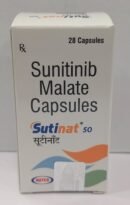
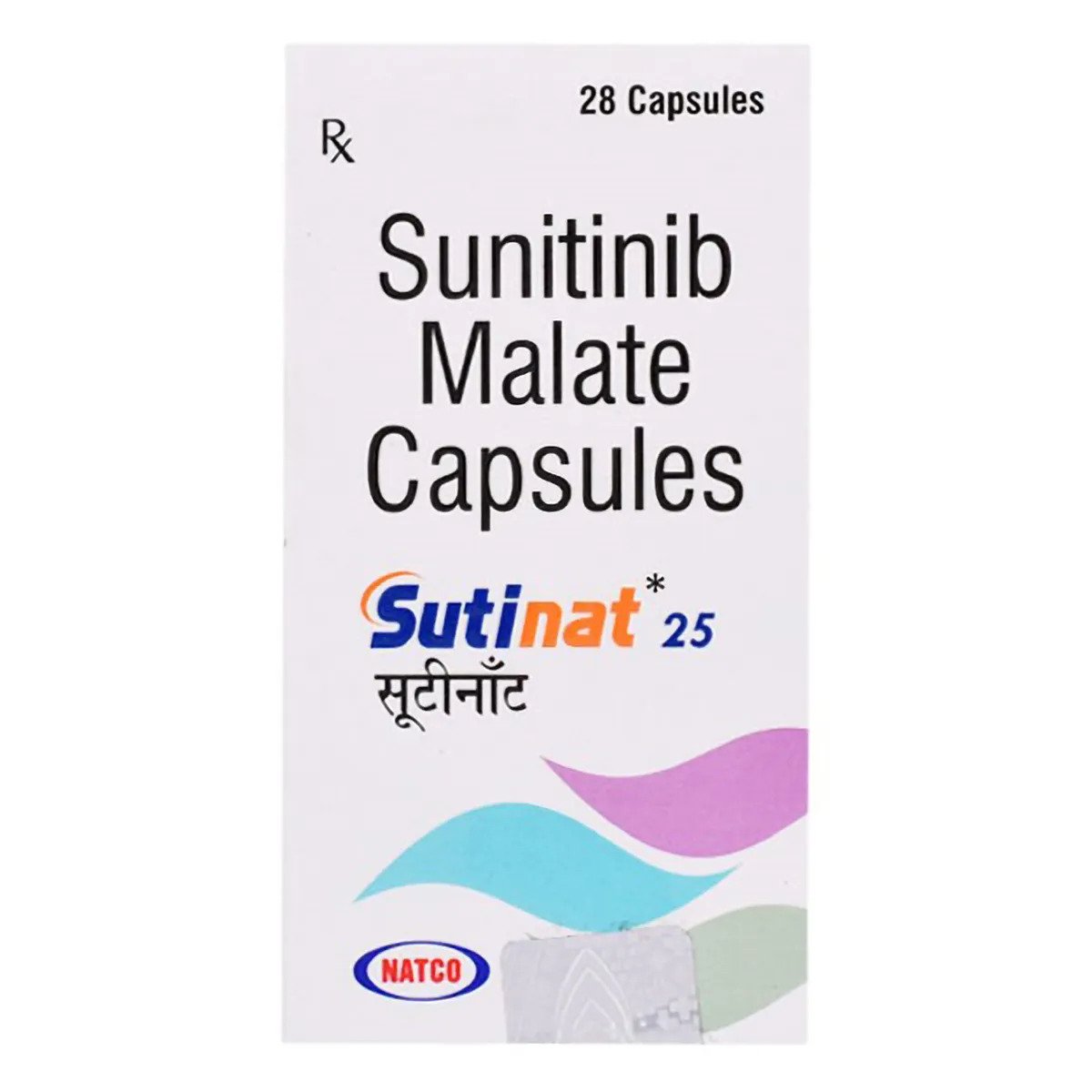
Sunitinib Capsules 25mg | Anti-Cancer
Disclaimer: Products listed on this website are intended for qualified business buyers, research, formulation, compounding, or regulated pharmaceutical use only. Products are not intended for direct consumer use. Import permission, registration, customs clearance, and local regulatory compliance are the responsibility of the buyer in their respective country.


Generic medicine information • For patient education
Sunitinib 50 mg is a prescription anti-cancer medicine in the tyrosine kinase inhibitor (TKI) class. It is used for certain cancers, including kidney cancer and gastrointestinal stromal tumour (GIST), depending on the diagnosis and treatment history. It works by blocking signals that help cancer cells grow and by restricting the formation of new blood vessels that support a tumour.
The 50 mg strength is not a dose recommendation for every patient. Your oncologist will decide the dose, schedule, and duration based on the cancer type, response, side effects, and your overall health.
Kidney cancer (renal cell carcinoma) in selected patients.
Gastrointestinal stromal tumour (GIST), including cases where the tumour cannot be removed surgically or has spread, particularly when prior treatment such as imatinib has not worked or cannot be tolerated, as determined by the specialist.
The treating oncologist should confirm the indication against the current local prescribing information.
Blocks specific tyrosine kinase enzymes involved in cancer-cell growth and survival.
Restricts signals that help tumours form new blood vessels.
In appropriately selected patients, it may reduce tumour size or slow disease progression. Benefits vary by individual and it is not a guaranteed cure.
Common or reported effects include reduced appetite, mouth sores or inflammation (mucositis/stomatitis), high blood pressure, hand-foot skin reaction, nausea, vomiting, fatigue, diarrhoea, taste changes, indigestion, abdominal pain, low platelet counts, and increased tendency to bleed.
Serious risks can include severe liver injury, major bleeding, heart problems or heart failure, abnormal heart rhythm, severe high blood pressure, low blood sugar, thyroid problems, kidney problems, and delayed wound healing.
Seek urgent medical care for chest pain, fainting, severe headache or confusion, sudden vision changes, severe breathlessness, heavy or unusual bleeding, black stools or blood in urine, yellow skin/eyes or dark urine, severe abdominal pain, or a severe/blistering skin reaction.
Tell your oncologist before treatment if you have heart disease, high blood pressure, liver or kidney problems, thyroid disease, diabetes, bleeding problems, or a history of poor wound healing.
Regular monitoring may include blood pressure, blood counts, liver and kidney function, thyroid function, blood sugar, and heart function as advised.
Pregnancy: Sunitinib may harm an unborn baby. Tell your clinician if pregnant, planning pregnancy, or if pregnancy is possible. Follow your specialist’s advice on reliable contraception during treatment and after the last dose.
Breastfeeding: do not breastfeed during treatment and ask your specialist when it may be safe to resume.
Surgery or dental procedures: tell the surgeon/dentist you take sunitinib because it can affect wound healing. Your oncology team may advise pausing treatment around a procedure.
Driving: do not drive or operate machinery if dizzy, sleepy, weak, or experiencing vision changes.
Alcohol: safety is uncertain; ask your oncology team whether alcohol is appropriate.
Storage: store below 30°C, in the original packaging and out of reach of children, unless the package leaflet states otherwise.
Sunitinib blocks specific receptor tyrosine kinases involved in cancer-cell growth and tumour blood-vessel formation. By interrupting these signals, it can slow the growth and spread of certain cancers.
Take exactly as prescribed by your oncologist. The capsule may be taken with or without food; follow the dose and schedule on your prescription.
Try to take it at the same time each day if directed. Do not change treatment days, breaks, or dose on your own.
If you miss a dose or vomit after taking it, follow the package leaflet or contact your oncology team. Do not double the next dose unless specifically instructed.
Avoid grapefruit and grapefruit juice during treatment unless your oncology team specifically advises otherwise.
Do not stop treatment or change the dose without speaking to your oncologist.
Keep all scheduled appointments and laboratory tests, including blood pressure, blood counts, liver/kidney function, thyroid function, and blood sugar checks when advised.
Diarrhoea can cause dehydration. Drink fluids and contact your care team if it is severe, persistent, bloody, or accompanied by dizziness or reduced urination.
Check hands and feet for redness, tenderness, swelling, blisters, or cracking and report troublesome symptoms early.
Use care with sharp objects and report unusual bleeding or wounds that are slow to heal.
If you have diabetes, monitor blood glucose as advised because sunitinib may lower blood sugar.
Tell your oncology team about all prescription medicines, over-the-counter products, vitamins, and herbal supplements.
Some medicines can change sunitinib levels or increase side-effect risks. Examples include certain antifungals, antibiotics, anti-seizure medicines, and herbal products such as St John’s wort.
Medicines that affect heart rhythm or bleeding risk may also require careful review. Grapefruit and grapefruit juice may increase side-effect risk.
Do not start, stop, or change any medicine or supplement without checking with your oncologist or pharmacist. This is not a complete interaction list.
Medical Disclaimer
This document is for general patient education only and is not a substitute for advice from a qualified doctor, oncology specialist, or pharmacist. Sunitinib is a prescription anti-cancer medicine and must be used only under specialist supervision. The correct indication, dose, schedule, monitoring, and management of side effects depend on the individual patient and current approved product information. In an emergency, seek urgent medical care.
| Product Name | Sunitinib Capsules |
| Category | All Medicines, Anti Cancer |
| Form | Raw Powder |
| Grade | As per available specification |
| Documents | COA, MSDS, Invoice, Packing List |
| Packing | As per order quantity |
| MOQ | On request |
| Shipment | Air cargo / courier / buyer-approved route |
| Use | B2B, formulation, compounding, research & qualified buyer supply |
| Disclaimer | Subject to buyer country regulations |
| Strength | 25mg |
|---|

Only logged in customers who have purchased this product may leave a review.
Disclaimer: Products listed on this website are intended for qualified business buyers, research, formulation, compounding, or regulated pharmaceutical use only. Products are not intended for direct consumer use. Import permission, registration, customs clearance, and local regulatory compliance are the responsibility of the buyer in their respective country.
