




Your cart is currently empty!.
You may check out all the available products and buy some in the shop.
Continue Shopping
In Stock
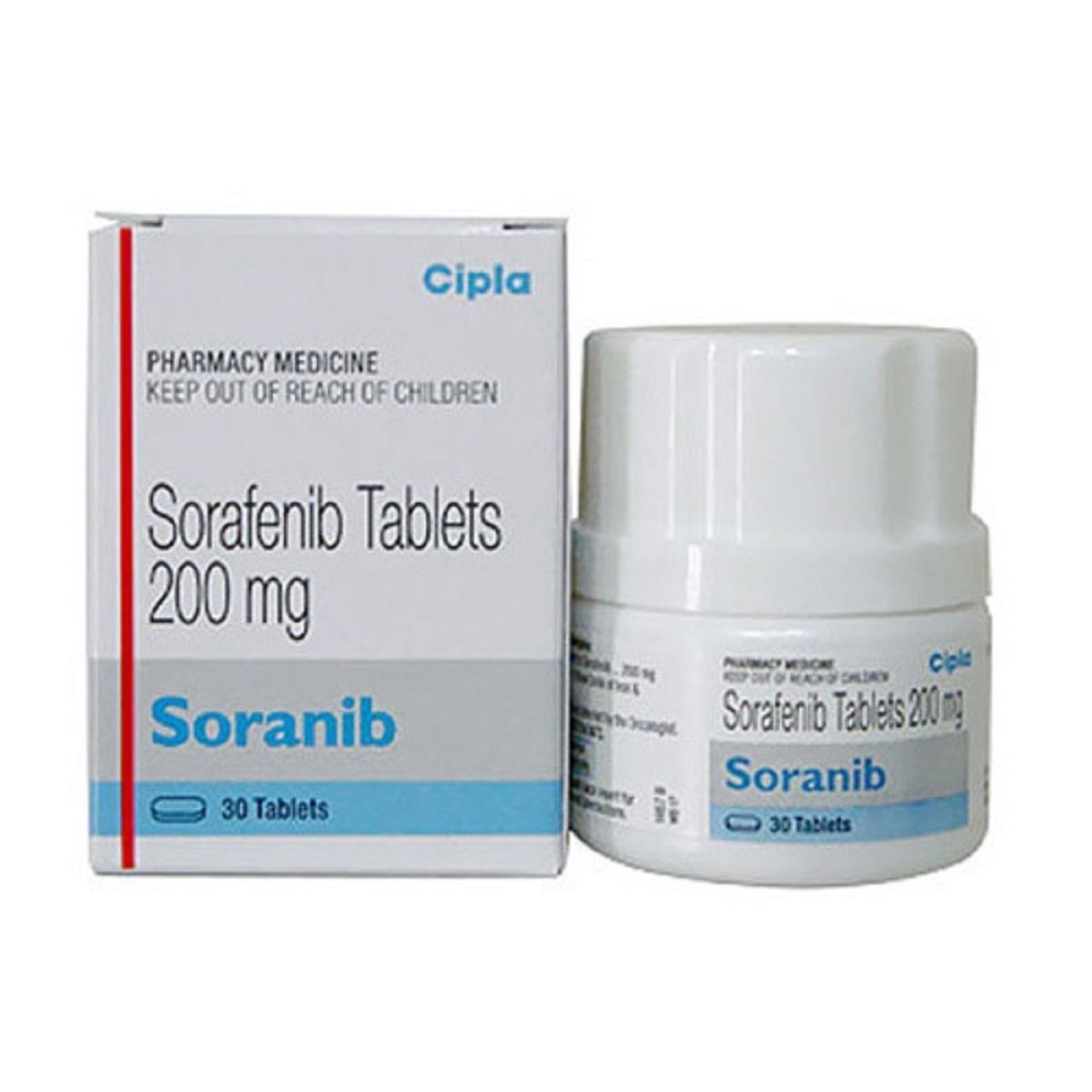
Sorafenib Tablets 200mg | Anti-Cancer
Disclaimer: Products listed on this website are intended for qualified business buyers, research, formulation, compounding, or regulated pharmaceutical use only. Products are not intended for direct consumer use. Import permission, registration, customs clearance, and local regulatory compliance are the responsibility of the buyer in their respective country.


Generic medicine information • For patient education
Sorafenib 200 mg is a prescription anti-cancer medicine in the multikinase inhibitor class. It is used for selected patients with liver cancer, kidney cancer, and certain types of thyroid cancer. The treating oncologist determines whether it is suitable based on the diagnosis, prior treatment, and current prescribing information.
The 200 mg strength refers to the amount in each tablet; it does not by itself determine the number of tablets or the treatment schedule. Take only the dose prescribed by your oncology specialist.
Selected cases of liver cancer (hepatocellular carcinoma).
Selected cases of advanced kidney cancer (renal cell carcinoma).
Certain types of thyroid cancer, as specified in the approved prescribing information.
The exact indication depends on the cancer type, disease stage, prior treatment, and the treating oncologist’s assessment.
Blocks abnormal proteins and signalling pathways that help cancer cells grow and multiply.
Also inhibits signals involved in the formation of new blood vessels that supply tumours.
In appropriately selected patients, it may slow cancer progression. The expected benefit varies by individual and it is not a guaranteed cure.
Common or reported side effects include fatigue, nausea, diarrhoea, abdominal pain, reduced appetite, weight loss, hair loss, rash, high blood pressure, bleeding, infection, and hand-foot skin reaction (pain, redness, swelling, or peeling on the palms and soles).
Serious risks can include severe bleeding, liver injury, heart problems or heart attack, abnormal heart rhythm, severe hypertension, low blood sugar, bowel perforation, and delayed wound healing.
Seek urgent medical care for chest pain, sudden breathlessness, fainting, severe headache or confusion, sudden vision changes, heavy bleeding, black stools or blood in urine, yellow skin/eyes or dark urine, severe abdominal pain, or severe/blistering skin reactions.
Tell your oncologist before treatment if you have heart disease, high blood pressure, bleeding problems, liver or kidney disease, diabetes, thyroid disease, or a recent/planned surgery.
Blood pressure, blood counts, liver function, kidney function, thyroid function, and blood sugar may need regular monitoring.
Pregnancy: sorafenib may harm an unborn baby. Tell your clinician if pregnant, planning pregnancy, or if pregnancy is possible. Use reliable contraception as advised by your specialist during treatment and for the recommended period after the last dose.
Breastfeeding: do not breastfeed during treatment; ask your oncology team when it may be safe to resume.
Surgery and dental procedures: tell your surgeon or dentist you take sorafenib because it may affect bleeding and wound healing. Your oncology team may advise a treatment pause around surgery.
Alcohol: safety is uncertain; ask your oncology team whether alcohol is appropriate during treatment.
Driving: avoid driving or operating machinery if fatigue, dizziness, or other symptoms affect concentration or reaction time.
Storage: follow the storage instructions on the medicine pack and keep it out of reach of children.
Sorafenib inhibits several kinases involved in tumour-cell growth and the development of blood vessels that feed tumours. This can slow the growth and spread of certain cancers.
Take exactly as prescribed by your oncologist. The dose and schedule depend on the cancer type, treatment plan, side effects, and clinical response.
Swallow the tablets whole with water. Do not crush, chew, or break them unless a healthcare professional specifically instructs you.
The Tata 1mg product information advises taking sorafenib on an empty stomach or with a low-fat meal. Avoid taking it with a high-fat meal; follow your own package leaflet and oncology team’s instructions.
Try to take it at consistent times each day as directed.
If you miss a dose, do not double the next dose. Follow the package leaflet or contact your oncology team for advice.
Do not stop treatment or change the dose without consulting your oncologist.
Attend all scheduled appointments and blood tests, and monitor blood pressure as instructed.
Report diarrhoea that is persistent, severe, bloody, or associated with dehydration.
Report pain, redness, swelling, blisters, or peeling on the palms or soles early; these may be signs of hand-foot skin reaction.
Tell your clinician promptly about unusual bleeding, severe rash, chest pain, or symptoms of liver problems.
If you have diabetes, monitor blood glucose as advised because sorafenib may lower blood sugar.
Keep a list of all prescription medicines, over-the-counter products, vitamins, and herbal supplements and share it with your oncology team.
Sorafenib can interact with medicines that affect drug-metabolising enzymes, bleeding risk, or heart rhythm.
Some medicines may have serious interactions. The Tata 1mg page specifically flags medicines such as ranolazine, sildenafil, amiodarone, escitalopram, and pimozide for professional review.
Do not start, stop, or change any medicine or supplement without checking with your oncologist or pharmacist. This is not a complete interaction list.
Medical Disclaimer
This document is for general patient education only and is not a substitute for advice from a qualified doctor, oncology specialist, or pharmacist. Sorafenib is a prescription anti-cancer medicine and must be used only under specialist supervision. The correct indication, dose, food instructions, monitoring, precautions, and management of side effects depend on the individual patient and current approved product information. In an emergency, seek urgent medical care.
| Product Name | Sorafenib Tablets |
| Category | All Medicines, Anti Cancer |
| Form | Raw Powder |
| Grade | As per available specification |
| Documents | COA, MSDS, Invoice, Packing List |
| Packing | As per order quantity |
| MOQ | On request |
| Shipment | Air cargo / courier / buyer-approved route |
| Use | B2B, formulation, compounding, research & qualified buyer supply |
| Disclaimer | Subject to buyer country regulations |
| Strength | 200mg |
|---|

Only logged in customers who have purchased this product may leave a review.
Disclaimer: Products listed on this website are intended for qualified business buyers, research, formulation, compounding, or regulated pharmaceutical use only. Products are not intended for direct consumer use. Import permission, registration, customs clearance, and local regulatory compliance are the responsibility of the buyer in their respective country.
