





Your cart is currently empty!.
You may check out all the available products and buy some in the shop.
Continue Shopping
In Stock
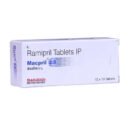
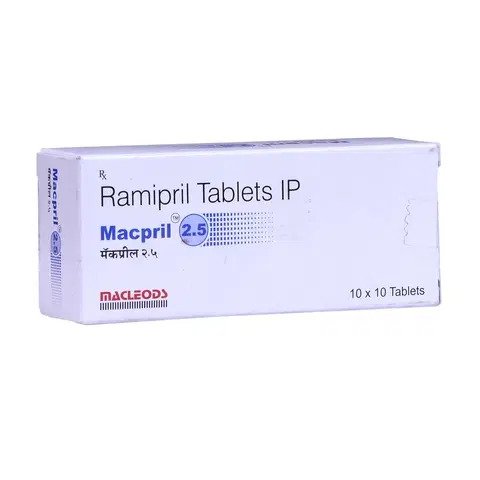
Ramipril Tablets 2.5mg | Cardiac / Hypertension
Disclaimer: Products listed on this website are intended for qualified business buyers, research, formulation, compounding, or regulated pharmaceutical use only. Products are not intended for direct consumer use. Import permission, registration, customs clearance, and local regulatory compliance are the responsibility of the buyer in their respective country.


Document font preference: Times New Roman. (If your Word renderer supports a default font setting, apply Times New Roman to the whole document.)
Generic name: Ramipril — Strength: 2.5 mg
Common brand names may include RAMIstar and other manufacturer-specific trade names. This document provides general product information for ramipril 2.5 mg tablets; check the manufacturer label for exact formulation, excipients, and pack size.
Angiotensin-converting enzyme (ACE) inhibitor — antihypertensive.
Treatment of hypertension (high blood pressure).
Management of heart failure (as part of standard therapy where indicated).
Reduction of risk of myocardial infarction, stroke, and cardiovascular death in high-risk patients.
May be used post-myocardial infarction to improve survival.
Each tablet contains: ramipril 2.5 mg. Excipients and inactive ingredients vary by manufacturer; refer to the product label.
Ramipril is an ACE inhibitor. It blocks the conversion of angiotensin I to angiotensin II, leading to vasodilation, reduced aldosterone secretion, decreased sodium and water retention, and lowered blood pressure. It also reduces afterload and preload in heart failure, improving cardiac output.
The dose should be individualized based on patient response and tolerability. Typical adult dosing guidance:
Hypertension: Initial dose often 2.5 mg once daily in some patients; commonly titrated to 5 mg once daily or divided doses depending on response. Maximum usual total daily dose is up to 20 mg (divided).
Heart failure/post-MI: Initial lower doses are used and gradually titrated as tolerated; follow specific cardiology guidance.
Elderly or volume-depleted patients: Start at lower dose (e.g., 1.25–2.5 mg) with careful monitoring for hypotension.
Administration: Oral, with or without food. Take at a consistent time each day.
History of angioedema related to previous ACE inhibitor therapy.
Known hypersensitivity to ramipril or any component of the formulation.
Pregnancy — ACE inhibitors are contraindicated in pregnancy (can cause fetal harm).
Concurrent use with aliskiren in patients with diabetes or renal impairment.
Angioedema: May occur at any time during therapy. Discontinue immediately and seek urgent medical attention if swelling of face, lips, tongue, or throat occurs.
Hypotension: Symptomatic hypotension can occur, particularly in volume-depleted patients or those on diuretics; correct volume depletion before starting ramipril where possible.
Renal impairment: Monitor renal function and serum potassium periodically. Dose adjustment may be necessary.
Hyperkalemia: Use with caution in patients at risk for elevated potassium (e.g., renal dysfunction, potassium-sparing diuretics, potassium supplements).
Pregnancy and lactation: Discontinue as soon as pregnancy is detected. Consult obstetric care for alternatives.
Bilateral renal artery stenosis: Use may cause renal function deterioration; monitor closely.
Dizziness or lightheadedness (usually at treatment initiation or dose changes).
Cough (dry persistent cough is a known ACE inhibitor side effect).
Headache, fatigue.
Gastrointestinal symptoms: nausea, abdominal discomfort.
Orthostatic hypotension in some patients.
Angioedema potentially life-threatening.
Severe hypotension and syncope.
Acute renal failure.
Hyperkalemia with potential cardiac effects.
Hepatic dysfunction (rare).
Key interactions to be aware of:
Potassium supplements, potassium-sparing diuretics (e.g., spironolactone, amiloride, triamterene): increased risk of hyperkalemia.
Other antihypertensive agents: additive blood-pressure-lowering effects — monitor blood pressure.
Diuretics: May potentiate hypotension when combined, especially after initial dose.
NSAIDs: Reduced antihypertensive effect and increased risk of renal impairment when used together in susceptible patients.
Aliskiren: Avoid combined use in patients with diabetes or renal impairment.
Pregnancy: Contraindicated. Discontinue as soon as pregnancy is detected due to risk of fetal toxicity.
Breastfeeding: Limited data. Consider alternative agents or discontinue breastfeeding; consult specialist guidance.
Elderly: May be more sensitive to hypotensive effects. Start at lower doses and monitor renal function and electrolytes.
Renal impairment: Dose adjustments and close monitoring recommended.
Blood pressure and heart rate regularly to assess efficacy and detect hypotension.
Serum electrolytes (particularly potassium) and renal function (serum creatinine, eGFR) before initiation and periodically thereafter.
Signs of angioedema, persistent cough, or other adverse reactions.
Symptoms of overdose may include severe hypotension, dizziness, shock, and renal impairment. Treatment is supportive — maintain airway, breathing, and circulation; monitor renal function. Activated charcoal may be considered if ingestion was recent. In severe hypotension, intravenous fluids and vasopressors may be needed; consult a poison control center or medical toxicology service.
Store in a cool, dry place away from direct sunlight and moisture. Keep out of reach of children. Follow manufacturer packaging for expiry date and storage instructions.
Take ramipril at the same time each day to maintain consistent blood levels.
You may feel dizzy when starting the medicine; get up slowly from sitting or lying positions to reduce the risk of falls.
Report any swelling of the face, lips, throat, or tongue immediately — this could be angioedema.
If you develop a persistent dry cough that bothers you, inform your prescriber; an alternative medicine may be considered.
Avoid potassium supplements or salt substitutes containing potassium unless advised by your doctor.
Inform your healthcare provider about all other medicines you take (prescription, OTC, herbal), particularly NSAIDs, diuretics, and potassium-containing products.
Do not take if you are pregnant or planning to become pregnant; inform your prescriber if pregnancy occurs.
Specific manufacturer details, batch, MRP, and regulatory labeling differ by product and vendor. Refer to the product carton or the pharmacy/treatment label for accurate commercial details, date of manufacture, and expiry.
| Product Name | Ramipril Tablets |
| Category | All Medicines, Cardiac / Hypertension |
| Form | Raw Powder |
| Grade | As per available specification |
| Documents | COA, MSDS, Invoice, Packing List |
| Packing | As per order quantity |
| MOQ | On request |
| Shipment | Air cargo / courier / buyer-approved route |
| Use | B2B, formulation, compounding, research & qualified buyer supply |
| Disclaimer | Subject to buyer country regulations |
| Strength | 2.5mg |
|---|

Only logged in customers who have purchased this product may leave a review.
Disclaimer: Products listed on this website are intended for qualified business buyers, research, formulation, compounding, or regulated pharmaceutical use only. Products are not intended for direct consumer use. Import permission, registration, customs clearance, and local regulatory compliance are the responsibility of the buyer in their respective country.