





Your cart is currently empty!.
You may check out all the available products and buy some in the shop.
Continue Shopping
In Stock
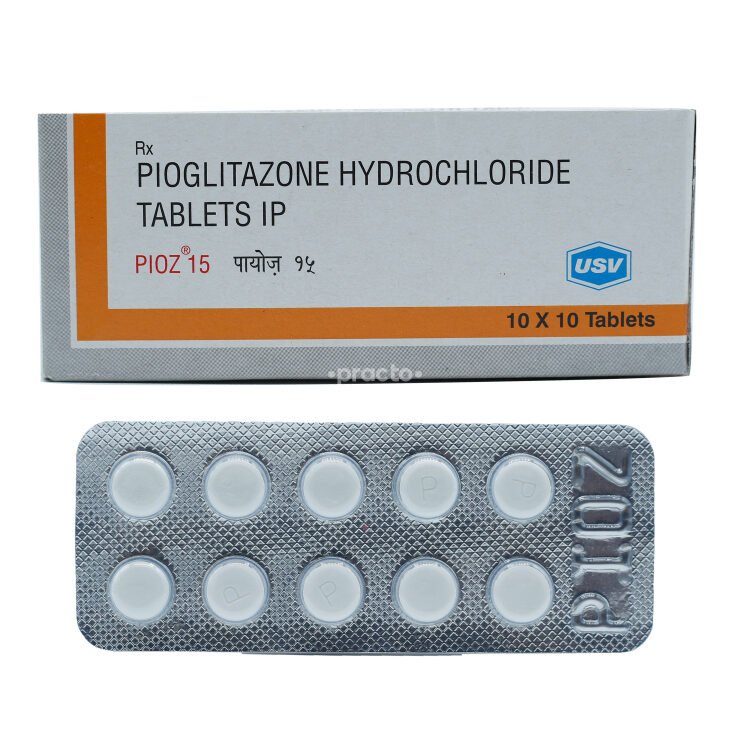
Pioglitazone 15mg | Anti-Diabetic | Tablets
Disclaimer: Products listed on this website are intended for qualified business buyers, research, formulation, compounding, or regulated pharmaceutical use only. Products are not intended for direct consumer use. Import permission, registration, customs clearance, and local regulatory compliance are the responsibility of the buyer in their respective country.


Generic name: Pioglitazone Tablets 15 mg. Pioglitazone is an oral antidiabetic medicine in the thiazolidinedione class. It helps improve the body’s sensitivity to insulin and is used in selected adults with type 2 diabetes. This document is for general education only and does not replace the approved product leaflet or advice from a qualified healthcare professional.
Pioglitazone 15 mg tablets are prescribed to improve blood-glucose control in selected adults with type 2 diabetes, alongside diet and physical activity. It improves the body’s response to insulin in tissues such as muscle and fat and helps reduce glucose production by the liver. It may be used alone or with other diabetes medicines when appropriate. It is not suitable for everyone, particularly people with certain heart conditions.
Used to improve blood-glucose control in adults with type 2 diabetes, together with diet and exercise.
May be prescribed alone or in combination with other diabetes medicines when a clinician considers this appropriate.
It is not used to treat type 1 diabetes or diabetic ketoacidosis.
Use is individualized and must follow the local approved product label and the clinician’s assessment.
Helps improve insulin sensitivity, allowing the body to use insulin more effectively.
Can help lower blood glucose and HbA1c over time when used as part of a diabetes management plan.
When prescribed appropriately with diet, physical activity and monitoring, better glucose control may help reduce the risk of long-term diabetes complications.
Pioglitazone may take several weeks to show its full glucose-lowering effect. It can cause weight gain and fluid retention, so the potential benefits must be weighed against individual risks.
Possible side effects include:
Weight gain.
Swelling of the ankles or legs (oedema) due to fluid retention.
Headache, muscle aches or upper-respiratory symptoms.
Low blood sugar, especially when combined with insulin or a sulfonylurea.
Important serious risks include worsening or new heart failure due to fluid retention, fractures in some patients, and rare liver problems. Some product information also warns about a possible increased risk of bladder cancer; the relevance and contraindications should be reviewed with a clinician. Seek urgent medical care for new or worsening shortness of breath, rapid weight gain, marked swelling, chest symptoms, yellowing of the skin/eyes, dark urine, or blood in the urine.
Take only as prescribed. Do not start, stop or change the dose without consulting your prescriber.
Tell your clinician if you have heart failure, heart disease, swelling, liver disease, bladder cancer or a history of bladder cancer, blood in the urine, or a history of fractures/osteoporosis.
Pioglitazone is generally not suitable for people with heart failure or a history of heart failure under many product labels. Seek medical review if you develop swelling, breathlessness or rapid weight gain.
Liver function may be checked before treatment and during treatment if symptoms or clinical circumstances indicate; follow your clinician’s monitoring plan.
Tell your clinician if you are pregnant, planning pregnancy or breastfeeding.
If taken with insulin or a sulfonylurea, low blood sugar and fluid-retention risks may increase; the clinician may need to review doses.
Tell your healthcare professional about all medicines, vitamins, supplements and herbal products you use.
Continue recommended diet, physical activity and blood-glucose monitoring. Keep scheduled medical appointments.
Keep out of reach of children and store according to the package instructions.
Pioglitazone activates peroxisome proliferator-activated receptor gamma (PPAR-γ), a receptor involved in regulating genes related to glucose and fat metabolism. This increases insulin sensitivity in muscle and fat and reduces glucose production by the liver. It does not directly stimulate insulin release, but it can cause fluid retention and may increase the risk of heart failure in susceptible people.
Follow the prescription label and the patient leaflet supplied with your exact product.
Pioglitazone is commonly taken once daily, with or without food, at the time directed by your prescriber.
Swallow the tablet with water.
The 15 mg strength is not the right dose for everyone; dosing depends on the individual’s response, other medicines and medical history.
If you miss a dose, follow the leaflet or ask a pharmacist/doctor. Do not take a double dose to make up for a missed dose.
If you take more than prescribed, seek medical advice promptly.
Do not stop treatment because you feel well; discuss any change with your clinician.
Take the tablet consistently each day as prescribed.
Remember that the full effect may take several weeks; continue monitoring as advised.
Watch for swelling, rapid weight gain or breathlessness and seek prompt medical advice if these develop.
Report blood in the urine or persistent urinary symptoms to your healthcare professional.
Know the symptoms of low blood sugar if you also use insulin or a sulfonylurea.
Attend follow-up appointments and complete any recommended blood tests.
Do not share your medicine and do not stop other diabetes medicines without professional advice.
Tell your doctor and pharmacist about all prescription medicines, over-the-counter products, vitamins and herbal supplements. Some medicines may alter pioglitazone exposure or increase adverse-effect risks.
Insulin: may increase the risk of fluid retention, oedema and heart failure; low blood sugar may also occur.
Sulfonylureas and other diabetes medicines: may increase the risk of hypoglycaemia when used in combination.
Gemfibrozil may increase pioglitazone exposure, while rifampicin/rifampin may reduce it; the prescriber may need to review treatment.
Other medicines that cause fluid retention or affect heart failure risk should be reviewed by the clinician.
Do not start, stop or change any medicine without professional advice.
| Product Name | Pioglitazone Tablets |
| Category | All Medicines, Anti Diabetic |
| Form | Raw Powder |
| Grade | As per available specification |
| Documents | COA, MSDS, Invoice, Packing List |
| Packing | As per order quantity |
| MOQ | On request |
| Shipment | Air cargo / courier / buyer-approved route |
| Use | B2B, formulation, compounding, research & qualified buyer supply |
| Disclaimer | Subject to buyer country regulations |
| Strength | 15mg |
|---|---|
| Type | Single API |
| Form | Tablets |

Only logged in customers who have purchased this product may leave a review.
Disclaimer: Products listed on this website are intended for qualified business buyers, research, formulation, compounding, or regulated pharmaceutical use only. Products are not intended for direct consumer use. Import permission, registration, customs clearance, and local regulatory compliance are the responsibility of the buyer in their respective country.
