




Your cart is currently empty!.
You may check out all the available products and buy some in the shop.
Continue Shopping
In Stock
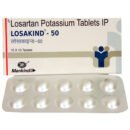
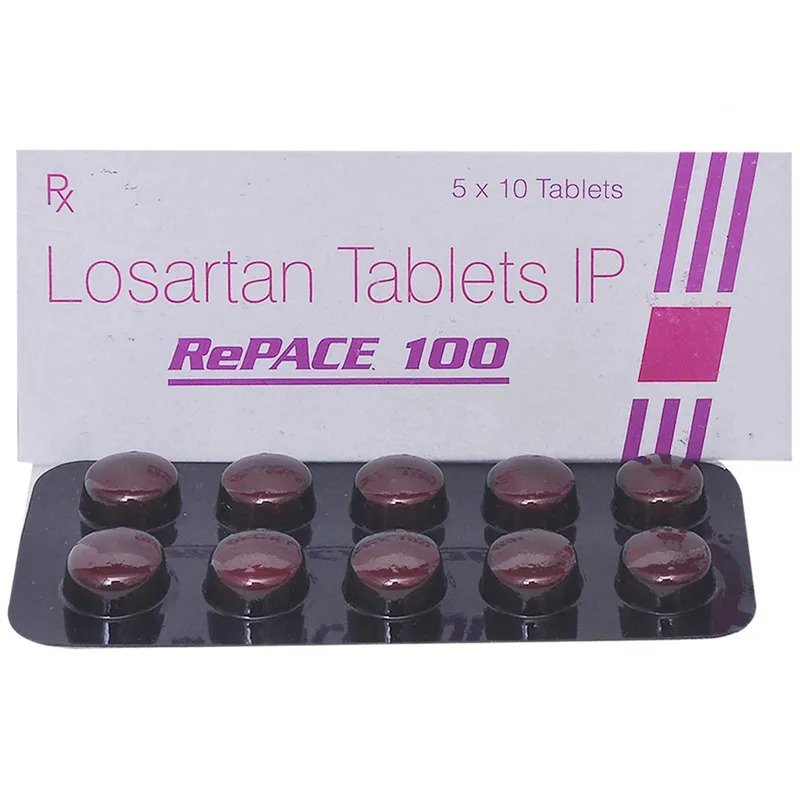
Losartan Tablets 100mg | Cardiac / Hypertension
Disclaimer: Products listed on this website are intended for qualified business buyers, research, formulation, compounding, or regulated pharmaceutical use only. Products are not intended for direct consumer use. Import permission, registration, customs clearance, and local regulatory compliance are the responsibility of the buyer in their respective country.


Product Introduction
Losartan is an oral antihypertensive medication belonging to the class of angiotensin II receptor blockers (ARBs). The 100 mg dose is one of the commonly prescribed strengths for adults when a higher dose is required to achieve blood pressure control. Losartan lowers blood pressure by blocking the action of angiotensin II, a hormone that narrows blood vessels and stimulates aldosterone release. It is prescribed for essential hypertension, for protection of kidney function in patients with type 2 diabetes and proteinuria, and as part of management strategies for heart failure and post-myocardial infarction in selected patients. This document provides an overview of uses, benefits, side effects, safety advice, mechanism of action, dosing guidance, practical tips, and drug interactions for Losartan 100 mg (generic).
Treatment of hypertension (high blood pressure) in adults.
Reduction of risk of stroke in patients with hypertension and left ventricular hypertrophy (when indicated).
Treatment of heart failure in patients who cannot tolerate ACE inhibitors or as part of combination therapy where appropriate.
Renal protection: slowing progression of diabetic nephropathy in patients with type 2 diabetes and proteinuria (when clinically indicated).
Adjunctive use in other cardiovascular risk reduction strategies as determined by a physician.
Effective lowering of systolic and diastolic blood pressure, reducing the risk of stroke, myocardial infarction, and heart failure progression.
Well-tolerated oral therapy with once-daily dosing in many patients, supporting adherence.
ARBs such as Losartan have a lower incidence of cough and angioedema compared with ACE inhibitors, making them suitable alternatives for patients who develop ACE inhibitor–related cough.
Provides renal protection in patients with type 2 diabetes and proteinuria by reducing intraglomerular pressure and proteinuria.
May provide additional cardiovascular benefits (e.g., regression of left ventricular hypertrophy) in selected patients.
Common side effects (may occur in some patients):
Dizziness or lightheadedness, especially when standing up quickly (orthostatic hypotension).
Fatigue or tiredness.
Upper respiratory symptoms such as nasal congestion or sore throat.
Gastrointestinal complaints such as abdominal pain or diarrhea (less common).
Less common but potentially serious side effects:
Significant hypotension (markedly low blood pressure), particularly after the first dose or in volume-depleted patients.
Hyperkalemia (elevated blood potassium), which may be dangerous if severe.
Renal impairment or acute kidney injury, especially in patients with bilateral renal artery stenosis or on other nephrotoxic medications.
Angioedema (swelling of face, lips, tongue, or throat) — rare but potentially life-threatening; requires immediate medical attention.
Allergic reactions or severe skin reactions — rare.
Important precautions and monitoring:
Pregnancy: Losartan is contraindicated in pregnancy (especially second and third trimesters) because it can cause fetal harm, including injury and death. Women of childbearing potential should use effective contraception and stop Losartan promptly if pregnancy is suspected. Discuss alternatives with your prescriber.
Breastfeeding: Consult a healthcare professional before use; available data are limited and alternatives may be preferred.
Renal function: Baseline and periodic monitoring of serum creatinine and electrolytes (especially potassium) is recommended, particularly in patients with impaired kidney function, heart failure, or those taking other medications that affect renal function.
Volume depletion: Correct significant dehydration or volume depletion before starting Losartan to reduce risk of symptomatic hypotension or renal impairment.
Elderly patients: May be more susceptible to hypotension and renal effects; start at an appropriate dose and monitor closely.
Avoid use with aliskiren in patients with diabetes or renal impairment — combination increases risk of adverse outcomes.
If you experience signs of angioedema (difficulty breathing, swelling of face or throat), stop the medication and seek emergency care immediately.
Do not stop Losartan abruptly without consulting your healthcare provider; sudden discontinuation may worsen blood pressure control.
Losartan selectively blocks the angiotensin II type 1 (AT1) receptor. Angiotensin II is a potent vasoconstrictor that also stimulates aldosterone secretion, which promotes sodium and water retention. By blocking AT1 receptors, Losartan prevents angiotensin II–mediated vasoconstriction and aldosterone release. These effects lead to vasodilation, reduced peripheral vascular resistance, decreased blood volume, and lower blood pressure. In the kidneys, blockade of angiotensin II’s effects can reduce intraglomerular pressure and proteinuria, contributing to renal protection in certain patients with diabetic nephropathy.
General dosing and administration guidance (adult):
Typical starting dose for many adults is lower (for example, 25–50 mg once daily) and the dose may be titrated upward based on response and tolerability. Losartan 100 mg may be used when lower doses do not achieve target blood pressure and when the prescriber determines the higher dose is appropriate.
Take Losartan once daily, with or without food, at the same time each day to maintain even blood levels and improve adherence.
If a dose is missed, take it as soon as remembered unless it is close to the time of the next dose; do not double up doses to make up for a missed dose. Follow prescriber guidance for specific situations.
Dose adjustments may be required for patients with renal impairment or other comorbidities; follow physician instructions and lab monitoring.
Children and special populations: Use and dosing in pediatric patients require specialist guidance; the 100 mg dose is typically for adults only.
Take Losartan at the same time each day; choosing morning or evening that fits your routine can improve adherence.
Rise slowly from sitting or lying positions to reduce the risk of dizziness from low blood pressure.
Have periodic blood tests (serum creatinine and potassium) as recommended to monitor kidney function and electrolytes.
Inform your healthcare provider about all prescription drugs, over‑the‑counter medicines, herbal products, and supplements you take to avoid interactions.
Avoid excessive intake of potassium-rich salt substitutes or potassium supplements unless advised and monitored by your doctor.
Keep a record of home blood pressure readings and bring them to follow-up visits to help your prescriber adjust therapy.
Notable interactions that may require dose adjustments, monitoring, or avoidance:
Other renin–angiotensin system agents (ACE inhibitors, direct renin inhibitors such as aliskiren): Concurrent use increases risk of hyperkalemia, renal dysfunction, and hypotension. Combination with aliskiren is contraindicated in patients with diabetes or renal impairment.
Potassium-sparing diuretics and potassium supplements (e.g., spironolactone, eplerenone, amiloride, triamterene) and high potassium diets: Increased risk of hyperkalemia; monitor serum potassium and avoid routine combination unless clinically necessary with monitoring.
Nonsteroidal anti-inflammatory drugs (NSAIDs): May reduce antihypertensive effect and increase risk of worsening renal function, especially in volume‑depleted or elderly patients; monitor renal function when combined.
Lithium: ARBs may increase lithium concentrations and risk of lithium toxicity; if combined, monitor lithium levels closely.
Certain antihypertensives and diuretics: Additive hypotensive effects may occur when Losartan is combined with other blood pressure–lowering agents; dose adjustments may be needed to avoid symptomatic hypotension.
CYP450 interactions: Losartan is metabolized partially by CYP2C9 and CYP3A4; strong inhibitors or inducers of these enzymes can alter Losartan levels. Clinically significant interactions are uncommon but should be considered for potent modulators.
Consult your healthcare provider or pharmacist for a full review of potential interactions with your current medication list.
Seek immediate medical attention for signs of angioedema: swelling of the face, lips, tongue, or difficulty breathing or swallowing.
Contact your physician promptly for symptoms of severe dizziness, fainting, irregular heartbeat, persistent high potassium symptoms (muscle weakness, palpitations), or signs of renal dysfunction (reduced urine output, swelling).
Report any severe or persistent side effects to your healthcare provider for assessment and possible treatment change.
This document provides general information about Losartan 100 mg (generic) for educational purposes. It is not a substitute for professional medical advice, diagnosis, or treatment. Always follow the prescribing information provided by your healthcare professional and check with your physician or pharmacist for individualized recommendations, contraindications, and monitoring specific to your health status and concurrent medications.
| Product Name | Losartan Tablets |
| Category | All Medicines, Cardiac / Hypertension |
| Form | Raw Powder |
| Grade | As per available specification |
| Documents | COA, MSDS, Invoice, Packing List |
| Packing | As per order quantity |
| MOQ | On request |
| Shipment | Air cargo / courier / buyer-approved route |
| Use | B2B, formulation, compounding, research & qualified buyer supply |
| Disclaimer | Subject to buyer country regulations |
| Strength | 100mg |
|---|

Only logged in customers who have purchased this product may leave a review.
Disclaimer: Products listed on this website are intended for qualified business buyers, research, formulation, compounding, or regulated pharmaceutical use only. Products are not intended for direct consumer use. Import permission, registration, customs clearance, and local regulatory compliance are the responsibility of the buyer in their respective country.
