





Your cart is currently empty!.
You may check out all the available products and buy some in the shop.
Continue Shopping
In Stock
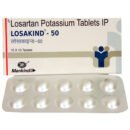
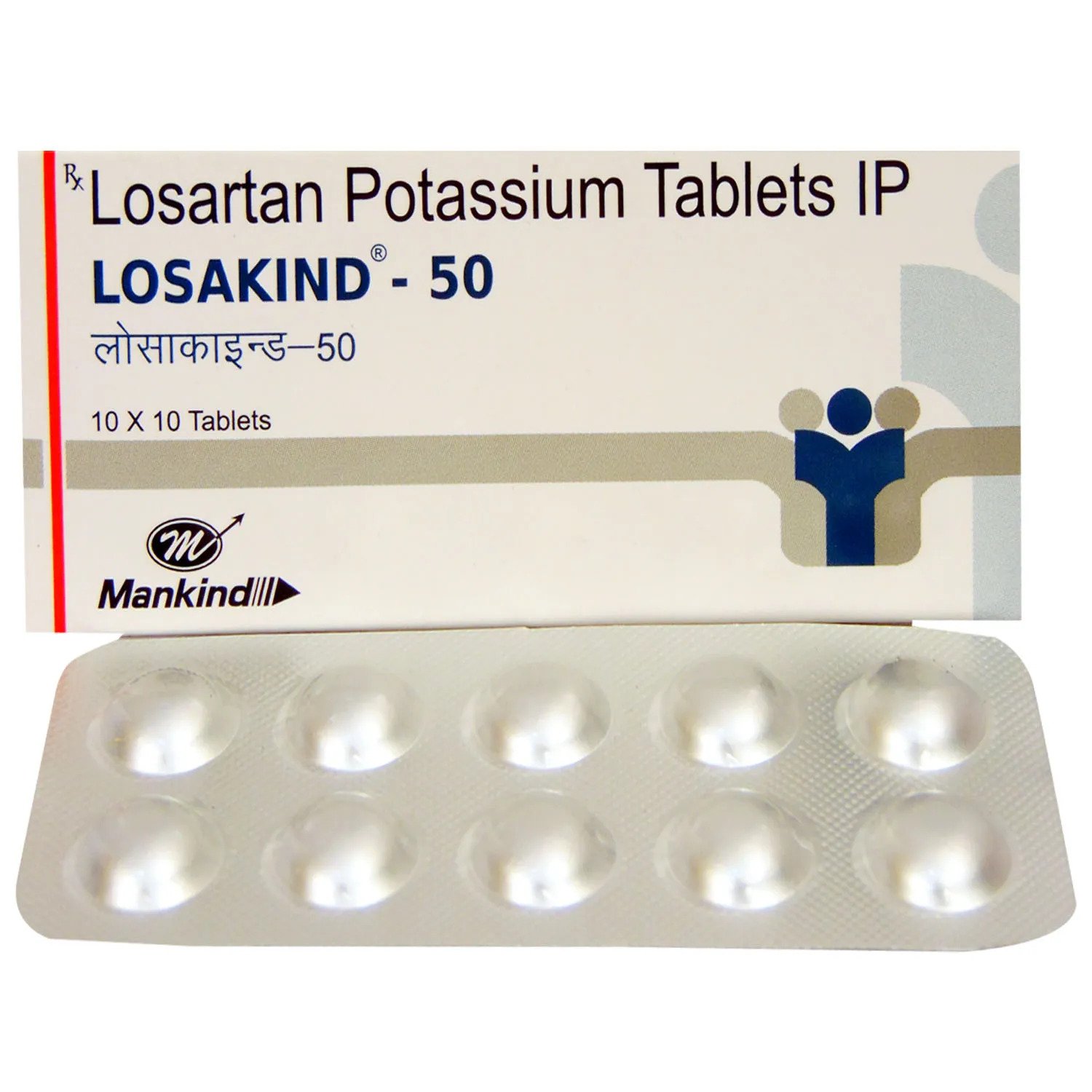
Losartan Tablets 50mg | Cardiac / Hypertension
Disclaimer: Products listed on this website are intended for qualified business buyers, research, formulation, compounding, or regulated pharmaceutical use only. Products are not intended for direct consumer use. Import permission, registration, customs clearance, and local regulatory compliance are the responsibility of the buyer in their respective country.


This document provides comprehensive, plain-English information about Losartan 50 mg, a generic prescription medicine. The content covers a concise product introduction, clinical uses, benefits, common side effects, safety advice and precautions, mechanism of action (how it works), directions for use, quick practical tips for patients, and important drug interactions. This information is intended for educational purposes and does not replace professional medical advice. Always follow your prescriber’s instructions.
Losartan is an angiotensin II receptor blocker (commonly abbreviated as ARB) used primarily to manage high blood pressure (hypertension). In many patients it is prescribed at doses such as 25 mg, 50 mg, or 100 mg; this document focuses on the 50 mg dose. Losartan lowers blood pressure by blocking the effects of angiotensin II, a hormone that narrows blood vessels and increases the heart’s workload. It may also help protect kidney function in patients with diabetes-related proteinuria and can be used in certain cases of heart failure to improve symptoms and outcomes.
Treatment of essential hypertension (high blood pressure) to reduce the risk of stroke, heart attack, and kidney problems.
To lower the progression of kidney disease in patients with type 2 diabetes and proteinuria (albumin in the urine).
Management of heart failure in patients when appropriate (as part of a broader treatment plan).
Alternative for patients who cannot tolerate ACE inhibitors (for example due to cough).
Key benefits of Losartan 50 mg include:
Effective blood pressure reduction: Lowers systolic and diastolic blood pressure to reduce cardiovascular risk.
Kidney protection in diabetic patients: Slows progression of diabetic nephropathy and reduces urinary protein excretion in many patients.
Heart failure support: Can improve symptoms and outcomes when used as part of guideline-directed therapy.
Tolerability: Generally well tolerated; lower incidence of persistent cough compared with ACE inhibitors.
Most people tolerate losartan well, but side effects can occur. Common and less common effects include:
Common (occur in a small percentage): dizziness (especially after the first dose or when standing up), headache, tiredness, nasal congestion.
Less common: abdominal pain, back pain, diarrhea, muscle cramps.
Serious but rare: signs of low blood pressure (fainting or severe dizziness), high potassium levels (hyperkalemia) which may cause weakness or abnormal heart rhythms, severe allergic reactions (rash, swelling, breathing difficulty), and kidney function deterioration in certain settings.
If you experience severe dizziness, fainting, chest pain, difficulty breathing, swelling of face/lips/throat, or irregular heartbeat, seek emergency medical care.
Before starting losartan, discuss the following with your healthcare provider:
Losartan is not safe during pregnancy.
Breastfeeding: Consult your prescriber. Effects in breastfed infants are not fully established; an alternative may be recommended.
Kidney disease: Dose adjustments or monitoring may be required if you have impaired kidney function. Losartan can affect kidney function, especially when combined with diuretics or in volume-depleted patients.
Electrolyte abnormalities: Losartan can increase blood potassium (hyperkalemia). Patients with conditions or medications that raise potassium must be monitored.
Dehydration or low blood volume: Use caution if you are dehydrated (for example from severe vomiting/diarrhea or excessive diuretic use) because losartan may cause symptomatic low blood pressure or kidney injury.
Angioedema history: Although less common than with ACE inhibitors, angioedema (swelling of the face, lips, throat) can occur; report any swelling immediately.
Concomitant medications: Many drugs interact with losartan—review all prescription, over-the-counter drugs, and supplements with your prescriber or pharmacist.
Losartan blocks angiotensin II type 1 (AT1) receptors. Angiotensin II is a hormone that causes blood vessels to constrict and stimulates aldosterone release, which increases sodium and water retention. By preventing angiotensin II from binding its receptor, losartan causes blood vessels to relax (vasodilation), lowers aldosterone-mediated fluid retention, reduces blood pressure, and decreases the workload on the heart. This mechanism also helps reduce pressure-driven damage to the kidneys in patients with diabetes.
General dosing and administration guidance for Losartan 50 mg:
Take exactly as prescribed by your healthcare provider. Do not change the dose or stop the medicine without consulting your prescriber.
Common regimen: one tablet of 50 mg once daily for many adults, but individual dosing may vary (some start at lower doses or combine with other antihypertensives).
Swallow the tablet whole with water. It can be taken with or without food.
If you miss a dose, take it as soon as you remember unless it is almost time for your next scheduled dose. Do not double the next dose to make up for a missed dose.
Regular monitoring: Your clinician may request periodic blood pressure checks, blood tests for kidney function (serum creatinine) and electrolytes (potassium).
Take your tablet at the same time each day to build a routine.
Avoid sudden standing after sitting or lying down for long, especially when starting therapy, to reduce dizziness from low blood pressure.
Limit high-potassium foods or salt substitutes containing potassium unless your doctor advises they are safe for you.
Carry a list of your medicines, including supplements, to every appointment.
Do not start an ACE inhibitor while taking losartan without medical advice. Do not take losartan during pregnancy.
If planning surgery or anesthesia, inform the surgical team that you take losartan.
Losartan can interact with several medications and supplements. Important interactions include:
Potassium-sparing agents and supplements: Combining losartan with potassium supplements, potassium-sparing diuretics (like spironolactone), or salt substitutes containing potassium increases the risk of hyperkalemia (high potassium).
ACE inhibitors: Concurrent use of ACE inhibitors and ARBs (like losartan) is generally not recommended because of increased risk of kidney dysfunction, low blood pressure, and hyperkalemia.
Nonsteroidal anti-inflammatory drugs (NSAIDs): Chronic use of NSAIDs (ibuprofen, naproxen) may reduce the blood-pressure-lowering effect of losartan and can increase the risk of kidney injury, particularly in older patients or those with impaired renal function or low blood volume.
Diuretics: When combined with diuretics (water pills), there may be an increased initial risk of low blood pressure or dehydration; monitoring may be required during dose changes.
Lithium: ARBs can increase lithium levels and risk of lithium toxicity; careful monitoring or avoidance may be necessary.
Other antihypertensives: Combining with other blood-pressure-lowering drugs can lead to additive effects and symptomatic low blood pressure; dose adjustments may be needed.
Rifampicin and certain enzyme inducers: Drugs that significantly alter liver enzymes may affect losartan metabolism and plasma levels, potentially changing its effectiveness.
Always tell your prescriber and pharmacist about all medications, vitamins, and herbal products you take so potential interactions can be evaluated.
If you experience fainting, severe dizziness, or symptoms of very low blood pressure.
If you have signs of high potassium: muscle weakness, slow or irregular heartbeat, numbness or tingling.
If you notice swelling of the face, lips, tongue, or throat (possible angioedema).
If you develop new or worsening kidney-related symptoms: significantly reduced urine output or unexplained swelling.
If you suspect pregnancy or become pregnant while taking losartan—contact your provider immediately.
This document summarizes commonly accepted information about Losartan 50 mg. Individual recommendations may vary based on medical history, coexisting conditions, and other medications. For personalized advice, dosing adjustments, and monitoring plans, consult the prescribing clinician or a pharmacist. Keep all follow-up appointments and have periodic blood tests as advised.
If you would like this document saved as a Word (.docx) file with this exact content and formatting, tell me and I will generate the .docx file now.
| Product Name | Losartan Tablets |
| Category | All Medicines, Cardiac / Hypertension |
| Form | Raw Powder |
| Grade | As per available specification |
| Documents | COA, MSDS, Invoice, Packing List |
| Packing | As per order quantity |
| MOQ | On request |
| Shipment | Air cargo / courier / buyer-approved route |
| Use | B2B, formulation, compounding, research & qualified buyer supply |
| Disclaimer | Subject to buyer country regulations |
| Strength | 50mg |
|---|

Only logged in customers who have purchased this product may leave a review.
Disclaimer: Products listed on this website are intended for qualified business buyers, research, formulation, compounding, or regulated pharmaceutical use only. Products are not intended for direct consumer use. Import permission, registration, customs clearance, and local regulatory compliance are the responsibility of the buyer in their respective country.