






Your cart is currently empty!.
You may check out all the available products and buy some in the shop.
Continue Shopping
In Stock
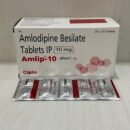
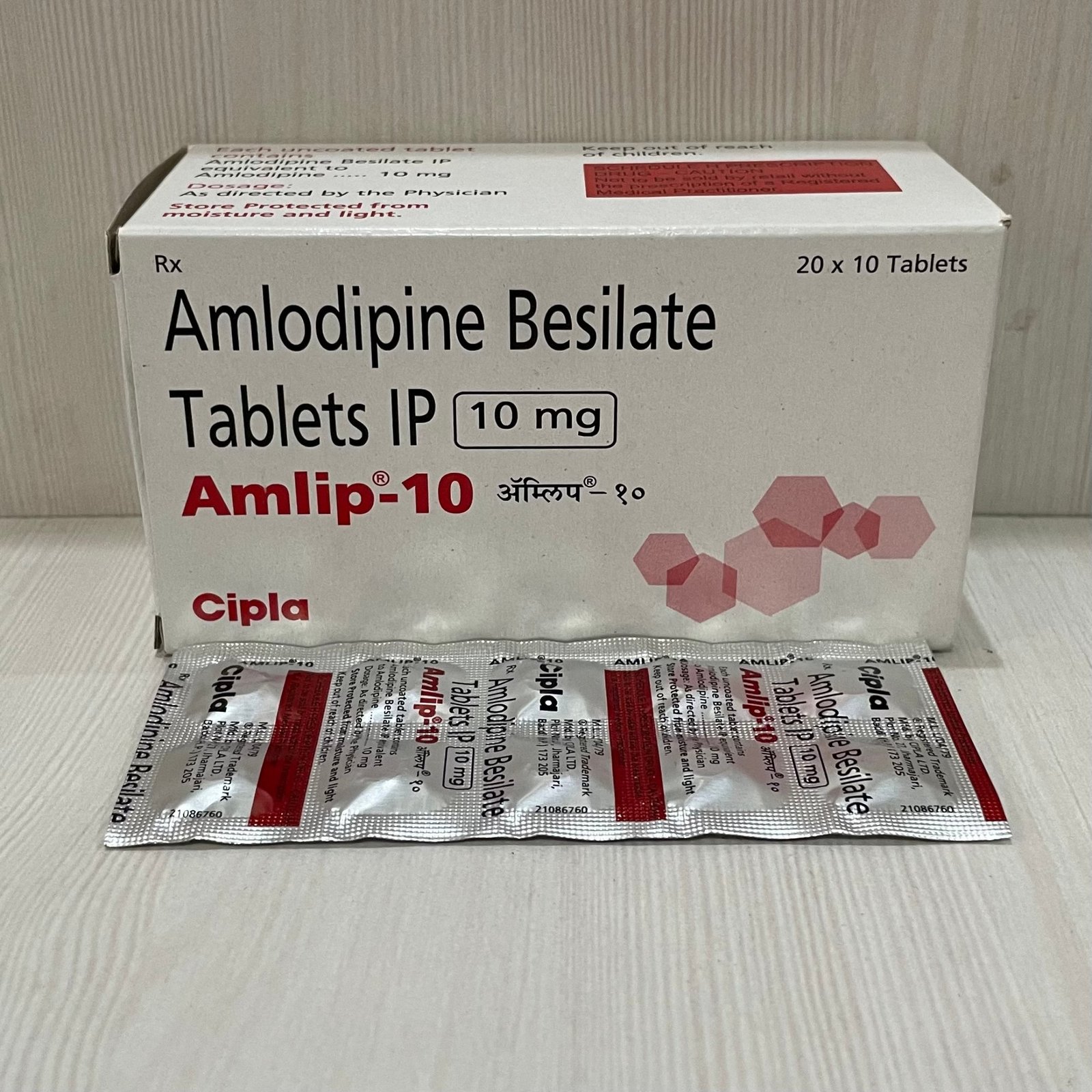
Amlodipine Tablets 10mg | Cardiac / Hypertension
Disclaimer: Products listed on this website are intended for qualified business buyers, research, formulation, compounding, or regulated pharmaceutical use only. Products are not intended for direct consumer use. Import permission, registration, customs clearance, and local regulatory compliance are the responsibility of the buyer in their respective country.


This document provides a concise, clinically oriented summary of Amlodipine 10 mg (generic). It covers product introduction, primary uses, benefits, common and serious side effects, safety advice, mechanism of action, dosing and administration guidance, quick practical tips, and notable drug interactions. This information is intended for general educational purposes and does not replace medical advice from a licensed healthcare professional.
Amlodipine is an oral antihypertensive medication in the class of dihydropyridine calcium-channel blockers. The 10 mg strength is a commonly prescribed dose for adults with high blood pressure (hypertension) and for prevention or control of angina (chest pain) due to coronary artery disease. It is available as a generic medication and is typically taken once daily.
Treatment of hypertension (high blood pressure) in adults.
Management and prevention of chronic stable angina.
Treatment of vasospastic (Prinzmetal) angina.
Adjunct therapy in certain patients with coronary artery disease to improve ischemic symptoms.
Effective reduction of systolic and diastolic blood pressure with once‑daily dosing.
Improves symptoms of angina by increasing coronary blood flow and reducing myocardial oxygen demand.
Proven long-term cardiovascular risk reduction when blood pressure is controlled (reduced risk of stroke and myocardial infarction).
Well tolerated by many patients and available as a low-cost generic option.
Peripheral edema (swelling of feet and ankles) — the most commonly reported side effect.
Flushing or warmth of the face.
Dizziness, particularly on standing or when initiating therapy or increasing dose.
Fatigue.
Palpitations or a sensation of a fast/forceful heartbeat.
Gastrointestinal upset (nausea) and rarely abdominal discomfort.
Marked hypotension (very low blood pressure) presenting with fainting or severe dizziness.
Worsening angina or acute myocardial infarction in patients with severe obstructive coronary disease when started or dose increased (rare).
Severe allergic reactions (rash, itching, swelling of face or throat, difficulty breathing) — seek emergency care.
Hepatic enzyme abnormalities or rare clinically significant liver injury (monitor if clinically indicated).
Before starting Amlodipine 10 mg, inform the prescriber about existing medical conditions, especially:
Heart failure or any history of heart disease.
Severe aortic stenosis (may worsen symptoms).
Liver disease or significant hepatic impairment (dose adjustments or monitoring may be needed).
Pregnancy or breastfeeding — discuss risks and benefits with your healthcare provider.
Allergies to amlodipine or other dihydropyridine calcium-channel blockers.
General precautions and monitoring:
Start at a lower dose (e.g., 2.5–5 mg) in elderly patients or those with hepatic impairment, then titrate as needed; 10 mg is the usual maximum daily dose.
Monitor blood pressure regularly to assess response and avoid symptomatic hypotension.
Monitor for progressive peripheral edema; if troublesome, consider dose adjustment, diuretic therapy, or alternative antihypertensive classes.
If pregnant or planning pregnancy, consult prescriber; alternative agents may be preferred because safety data vary.
Avoid abrupt discontinuation if used for angina; sudden stopping may worsen ischemia in some patients — follow prescriber’s instructions.
Amlodipine is a dihydropyridine calcium-channel blocker that selectively inhibits L-type calcium channels in vascular smooth muscle. By reducing calcium influx into arterial smooth muscle cells, amlodipine causes vasodilation of peripheral arterioles, which lowers systemic vascular resistance and decreases blood pressure. Coronary vasodilation improves myocardial oxygen supply and reduces workload on the heart, which helps prevent or reduce anginal episodes.
General adult dosing guidance (individualization required):
Usual initial dose for many adults: 5 mg once daily. Some patients may be started at 2.5 mg once daily (elderly or frail).
If needed, increase after 1–2 weeks based on blood pressure response and tolerability. The common maintenance dose range is 5–10 mg once daily.
Maximum recommended dose: 10 mg once daily.
Amlodipine may be taken with or without food. Take at the same time every day to maintain steady effect.
For angina, dosing follows the same principles; do not discontinue without medical advice.
If a dose is missed: take it as soon as remembered on the same day. Do not double the next dose to make up for missed dose. If multiple doses are missed, contact the prescriber.
Take once daily at a consistent time (morning or evening) to build routine adherence.
If you experience swelling of feet or ankles, report it; simple measures (e.g., leg elevation) may help, but severe or rapidly worsening edema should be evaluated.
Avoid driving or operating machinery until you know how the drug affects you, especially if you feel dizzy or lightheaded.
Inform all your healthcare providers and your pharmacist about Amlodipine to check for interactions with newly prescribed medicines.
Keep regular blood pressure checks and follow-up appointments to adjust dose and assess effectiveness.
Amlodipine can interact with several medications; some interactions increase risk of adverse effects such as hypotension or excessive drug concentrations. Below are commonly important interactions to be aware of. This list is not exhaustive — always check with a prescriber or pharmacist.
| Medication or Class | Interaction effect | Clinical advice |
|---|---|---|
| Strong CYP3A4 inhibitors (e.g., clarithromycin, itraconazole, ritonavir) | May increase amlodipine plasma levels → increased risk of hypotension, edema | Monitor blood pressure; consider dose reduction of amlodipine; avoid combination if alternatives exist |
| CYP3A4 inducers (e.g., rifampicin, phenytoin, carbamazepine) | May reduce amlodipine plasma levels → decreased efficacy | Monitor blood pressure; dose adjustment may be needed |
| Other antihypertensives (ACE inhibitors, ARBs, beta-blockers, diuretics) | Additive blood pressure‑lowering effects → increased risk of symptomatic hypotension | Start combination therapy at lower doses and monitor blood pressure and symptoms |
| Grapefruit juice | May increase amlodipine concentrations in some individuals | Avoid large or regular amounts of grapefruit juice while on amlodipine |
| Simvastatin | Amlodipine can increase simvastatin levels when coadministered → increased risk of myopathy | Limit simvastatin dose (consult guidance — commonly suggested max 20 mg when used with amlodipine) or choose alternative statin |
| Tacrolimus | May increase tacrolimus levels when used with calcium-channel blockers | Monitor tacrolimus levels closely and adjust dose as needed |
| Beta-blockers | When used in combination for angina, careful monitoring is required for bradycardia and hypotension | Monitor heart rate and blood pressure; adjust doses based on response |
For patients on multiple medications, a pharmacist or prescriber should perform a complete interaction check. Over-the-counter cold remedies, herbal supplements (e.g., St. John’s wort), and recreational substances can also alter blood pressure or interact with amlodipine.
Symptoms of severe hypotension: fainting, severe dizziness, inability to stand.
Signs of a severe allergic reaction: difficulty breathing, swelling of the face or throat, widespread rash.
New or worsening chest pain, shortness of breath, or sudden severe weakness — seek emergency care.
Rapid or unexplained swelling, especially with difficulty breathing, or jaundice (yellowing of skin/eyes).
This summary is general information compiled for educational use. Dosing, safety, and monitoring should be individualized by the treating clinician. For detailed, patient‑specific information, consult reliable clinical references such as official prescribing information, national treatment guidelines, or consult a pharmacist.
If you would like, I can: 1) generate this content as a downloadable .docx file now, 2) translate the document into Hindi, or 3) tailor the material for a patient-facing leaflet or a prescriber-focused clinical summary. Tell me which you prefer.
| Product Name | Amlodipine Tablets |
| Category | All Medicines, Cardiac / Hypertension |
| Form | Raw Powder |
| Grade | As per available specification |
| Documents | COA, MSDS, Invoice, Packing List |
| Packing | As per order quantity |
| MOQ | On request |
| Shipment | Air cargo / courier / buyer-approved route |
| Use | B2B, formulation, compounding, research & qualified buyer supply |
| Disclaimer | Subject to buyer country regulations |
| Strength | 10mg |
|---|

Only logged in customers who have purchased this product may leave a review.
Disclaimer: Products listed on this website are intended for qualified business buyers, research, formulation, compounding, or regulated pharmaceutical use only. Products are not intended for direct consumer use. Import permission, registration, customs clearance, and local regulatory compliance are the responsibility of the buyer in their respective country.