Growth Hormone Peptides for Research: GHRP, CJC-1295, Ipamorelin, and More
Growth hormone peptides are among the most actively researched peptide classes in endocrinology and metabolic science. From GHRP-6 to CJC-1295 and ipamorelin, these research tools help scientists understand the complex regulation of the growth hormone axis.
Understanding the GH Axis
The growth hormone axis involves a complex interplay between the hypothalamus, anterior pituitary, and target tissues. Growth hormone peptides research helps elucidate these mechanisms through selective stimulation of different components of the axis.
Key Growth Hormone Peptides for Research
1. GHRP-6 (Growth Hormone Releasing Peptide-6)
GHRP-6 is a synthetic hexapeptide that stimulates GH release through the ghrelin/GHS receptor:
- Potent GH secretagogue acting on the pituitary
- Stimulates appetite through ghrelin receptor activation
- Used in research to study GH deficiency models
- Half-life: approximately 15–60 minutes in preclinical models
2. GHRP-2
A more potent analog of GHRP-6 with higher GH-releasing activity:
- Stronger GH stimulation compared to GHRP-6
- Less appetite stimulation than GHRP-6
- Studied for dose-response relationships in GH release
3. CJC-1295
CJC-1295 is a synthetic analog of Growth Hormone Releasing Hormone (GHRH):
- 29-amino acid modified GHRH analog
- Available as CJC-1295 (with DAC) for extended half-life or without DAC for shorter duration
- Acts on the GHRH receptor on pituitary somatotrophs
- Studied for sustained GH elevation research protocols
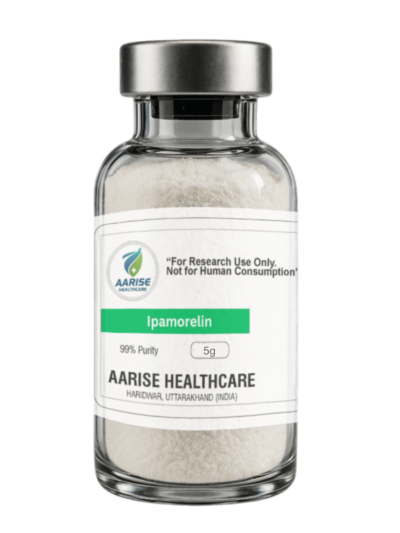
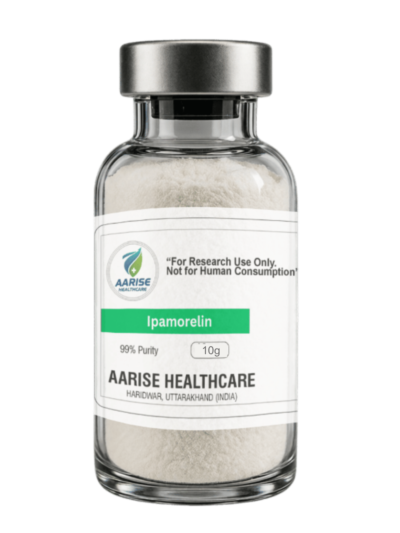
4. Ipamorelin
Ipamorelin research focuses on this selective GH secretagogue:
- Pentapeptide with high selectivity for GH release
- Minimal effect on cortisol and prolactin (unlike GHRP-6)
- Considered the most selective GHRP in preclinical research
- Studied for its clean GH stimulation profile
5. Hexarelin
Another GHS receptor agonist with strong GH-releasing properties:
- More potent than GHRP-6 for GH release
- Also shows cardioprotective properties in research
- Studied for cardiac and metabolic research applications
6. Sermorelin
A GHRH analog consisting of the first 29 amino acids of endogenous GHRH:
- Acts physiologically through the GHRH receptor
- Produces pulsatile GH release similar to natural patterns
- Studied extensively in aging and GH deficiency research
GHRP vs GHRH Analogs
- GHRPs (GHRP-6, GHRP-2, Ipamorelin, Hexarelin): Act on the ghrelin/GHS receptor; cause acute GH pulses
- GHRH Analogs (CJC-1295, Sermorelin): Act on the GHRH receptor; amplify natural GH pulsatility
- Combination Research: GHRP + GHRH analog combinations produce synergistic GH release, a common research protocol
Handling and Storage
- All GH peptides: Store lyophilized at -20°C
- Reconstitution: Bacteriostatic water; add slowly along vial wall
- Reconstituted stability: 2–8°C for 2–4 weeks; -20°C in aliquots for longer
- Avoid: Repeated freeze-thaw, vigorous mixing, room temperature storage
Source Growth Hormone Peptides from Aarise Healthcare
Aarise Healthcare supplies the complete range of growth hormone peptides including GHRP-6, GHRP-2, CJC-1295 (with and without DAC), Ipamorelin, Hexarelin, and Sermorelin — all at 99%+ purity with comprehensive COA documentation.
Building a GH peptide research program?
📩 Contact us on WhatsApp for our complete GH peptide catalog and pricing.
Related Articles
Also from Aarise Group: