
What Are Peptides?
Peptides are short chains of amino acids linked by peptide bonds, typically consisting of 2 to 50 amino acid residues. They are smaller than proteins but share the same fundamental building blocks. In pharmaceutical and biomedical research, peptides have become one of the most active areas of investigation due to their high specificity, potency, and diverse biological activities.
Why Peptides Are Important in Research
Peptides occupy a unique space between small-molecule drugs and large biological therapeutics. Their advantages make them valuable research tools:
- High target specificity – Peptides can bind to specific receptors with remarkable precision, reducing off-target effects in experimental models
- Structural diversity – The ability to modify amino acid sequences creates virtually unlimited structural variations for structure-activity relationship studies
- Biological relevance – Many peptides mimic naturally occurring signaling molecules, hormones, and neurotransmitters
- Favorable safety profile – Peptide metabolites are amino acids, which are naturally processed by biological systems
Key Research Applications of Peptides
Drug Discovery and Development
Peptides serve as lead compounds and templates in the development of new therapeutics. Researchers use peptide libraries and structural modifications to identify candidates with optimized binding affinity, stability, and pharmacokinetic properties.
Endocrinology and Hormone Research
Many hormones are peptides, making peptide compounds essential in endocrinological research. Studies on insulin signaling, growth hormone pathways, and reproductive hormone regulation all rely on high-purity peptide compounds.
Immunology and Vaccine Research
Peptide epitopes are used in vaccine development to stimulate targeted immune responses. Researchers study how specific peptide sequences interact with the immune system to design more effective and safer vaccines.
Neuroscience
Neuropeptides play critical roles in brain function, pain signaling, and behavior. Research into opioid peptides, neuropeptide Y, and substance P continues to advance our understanding of neurological processes and potential therapeutic targets.
Cancer Research
Peptides are studied as targeted delivery vehicles, diagnostic markers, and direct anti-tumor agents. Cell-penetrating peptides and tumor-homing peptides are active areas of research in oncology.
Antimicrobial Research
Antimicrobial peptides (AMPs) represent a promising research area as alternatives to conventional antibiotics. These naturally occurring defense molecules are studied for their ability to disrupt microbial membranes and modulate immune responses.
Challenges in Peptide Research
Working with peptides presents specific challenges that researchers must address:
- Stability – Peptides are susceptible to enzymatic degradation, requiring careful handling and storage
- Storage conditions – Most peptides require storage at -20°C or lower to maintain integrity
- Solubility – Some peptides have limited solubility in aqueous solutions, requiring specific solvents or formulation strategies
- Purity verification – Peptide synthesis can produce deletion sequences and truncated forms that must be identified and removed
Purity Standards for Research-Grade Peptides
The purity of peptide compounds directly affects experimental reliability. Key quality parameters include:
- HPLC purity ≥99% – Confirms the absence of synthesis-related impurities
- Mass spectrometry confirmation – Verifies correct molecular weight and amino acid sequence
- Amino acid analysis – Quantifies the peptide content and confirms composition
- Endotoxin testing – Required for peptides used in cell-based or in vivo research
Recent Advances in Peptide Research
- Stapled peptides – Chemical cross-links that stabilize peptide structure and improve resistance to enzymatic degradation
- Cyclic peptides – Ring structures that enhance stability and membrane permeability
- Peptide-drug conjugates – Combining peptides with small-molecule drugs for targeted delivery
- AI-driven peptide design – Machine learning approaches to predict peptide structure, activity, and optimization pathways
Frequently Asked Questions (FAQ)
What purity level is recommended for research peptides?
For most pharmaceutical and biomedical research, 99% purity or higher is recommended. This ensures accurate quantitative analysis and reproducible experimental results.
How should research peptides be stored?
Lyophilized peptides should be stored at -20°C or below in a dry environment. Reconstituted peptides should be aliquoted to avoid repeated freeze-thaw cycles and used within a defined timeframe.
Does Aarise Healthcare supply peptide research compounds?
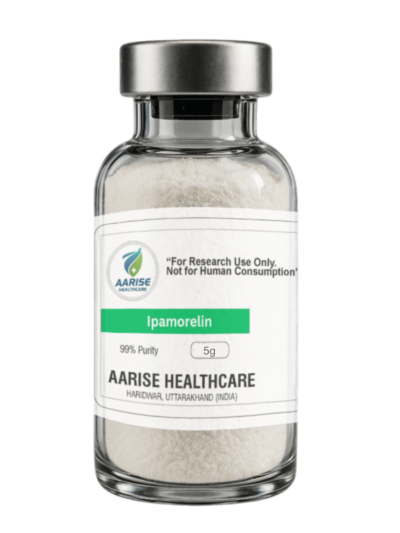
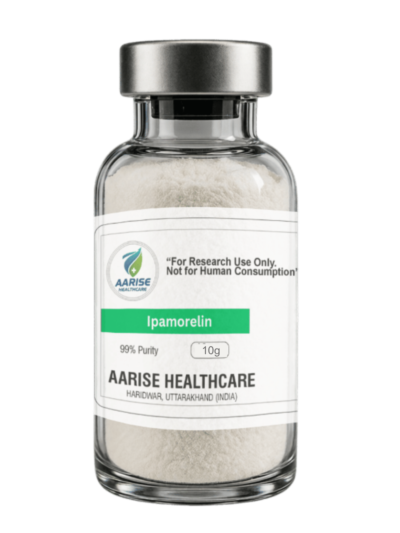
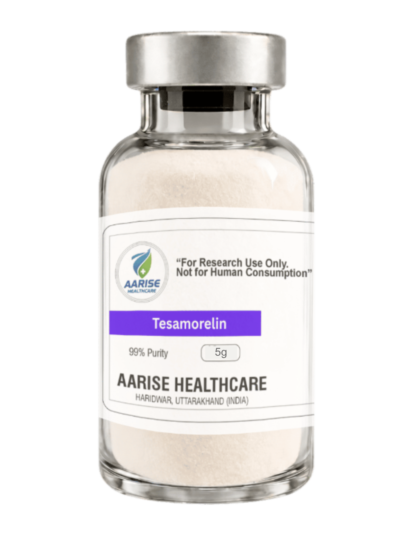
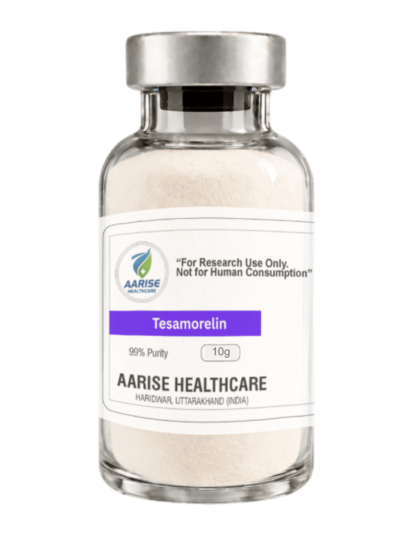
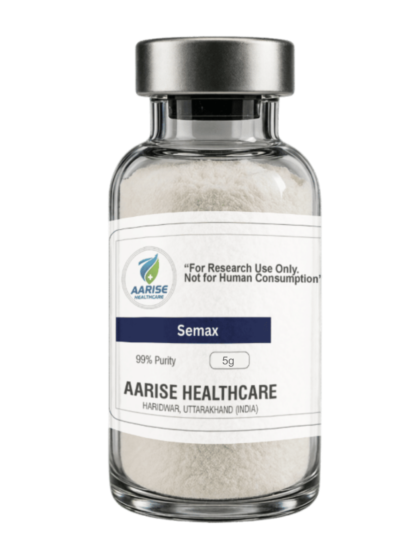
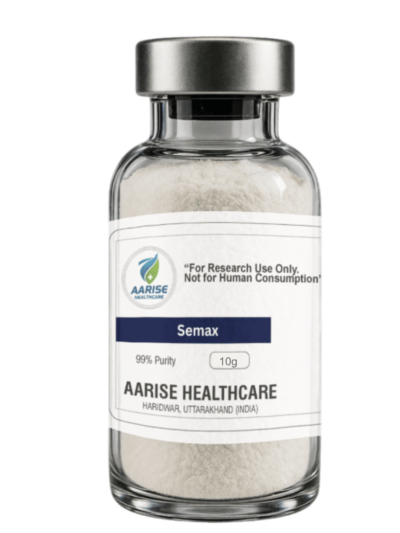
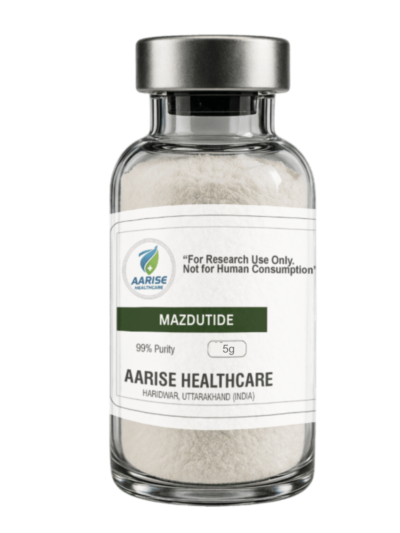
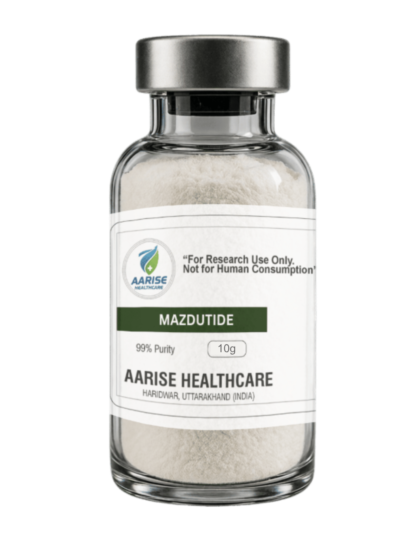
Yes, Aarise Healthcare offers a range of peptide compounds at 99% purity for research applications, with batch-specific Certificate of Analysis and proper cold-chain shipping.
Source Research-Grade Peptides
Aarise Healthcare supplies high-purity peptide compounds to support cutting-edge research across pharmacology, immunology, and biomedical sciences. Contact us to discuss your peptide requirements or browse our catalog for available compounds.
Related Articles
Also from Aarise Group:


Comment (1)
[…] Peptides in Modern Research – Applications and Advances […]